
As the holiest day on the Jewish calendar, Yom Kippur is widely recognized, yet its deeper meaning and nuanced practices often remain misunderstood—even among those who observe it. Did you know that Yom Kippur isn’t just about fasting or attending synagogue, but also represents a chance to reset and reconnect with yourself, your community, and your sense of purpose? In the next few minutes, discover what most people don’t know about Yom Kippur—and why these hidden truths are more relevant than ever today.
Unlocking the Hidden Significance of Yom Kippur
"Yom Kippur is not just a day of fasting, but a spiritual opportunity to reset and reconnect."
Many see Yom Kippur as a solemn day filled with rituals and restrictions, but beneath the surface, it is a profound journey into self-reflection and personal transformation. This day challenges individuals to assess their actions, mend broken relationships, and actively work towards self-improvement. While the traditions might seem ancient, their lessons apply to our modern search for meaning and connection.
At the core of Yom Kippur lies a universal theme: the power to change. It’s not just about abstaining from food or traditional gestures—these rules are tools to strip away distractions and focus on what truly matters. Through prayers, silence, and communal rituals, each person is given space to let go of past mistakes and start anew, making it as much about inner growth as external observance.
Why Yom Kippur Still Matters in Modern Times
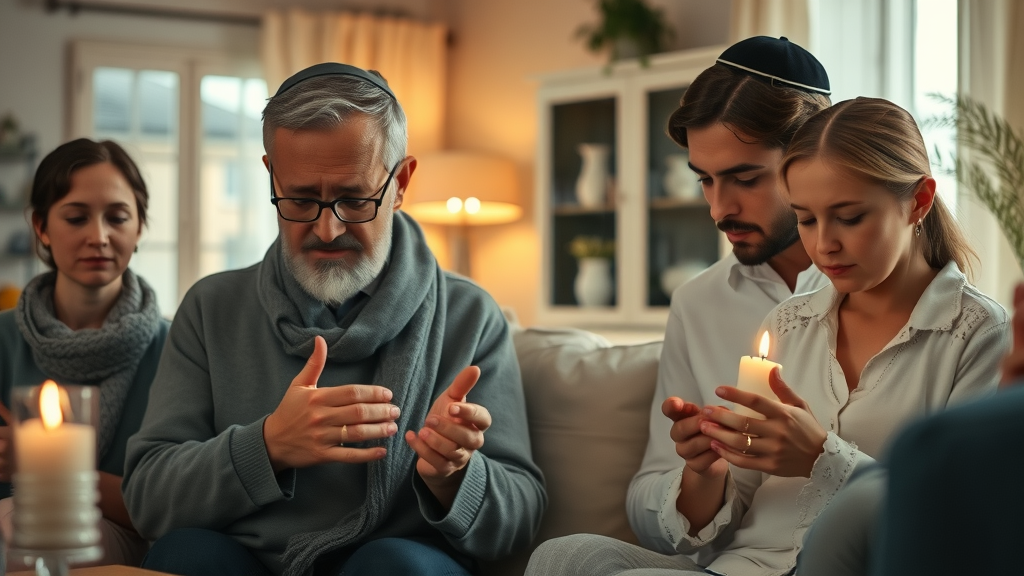
In a world often consumed by noise, deadlines, and digital distractions, setting aside time for reflection is more essential—and rare—than ever. Observing Yom Kippur nudges us to pause, acknowledge our shortcomings, and improve ourselves—practices that are just as valuable today as they were centuries ago. In fact, the relevance of Yom Kippur is amplified in these busy times; its message of forgiveness and new beginnings transcends religious boundaries and speaks to universal human needs.
For many, Yom Kippur is a bridge between generations, drawing on ancient texts and rituals to inspire growth and healing in the present. Whether celebrated in a synagogue or at home, the day’s focus on introspection, honesty, and renewal offers a timeless blueprint for living with integrity and awareness. Even those who don’t formally observe can benefit from its reminders about empathy, personal responsibility, and the importance of community support.
Understanding Yom Kippur’s significance is even more meaningful when you consider its connection to the broader High Holy Days. For a deeper look at how the season of renewal begins, explore the traditions and spiritual themes of Rosh Hashanah, the Jewish New Year, which sets the stage for the journey toward atonement and reflection.
What You'll Learn About Yom Kippur
- The origin and deeper meaning behind Yom Kippur
- Key rituals and customs observed on yom kippur
- Common misconceptions and lesser-known facts
- The significance of fasting and prayer
- Why yom kippur is relevant today
Understanding Yom Kippur: A Comprehensive Overview
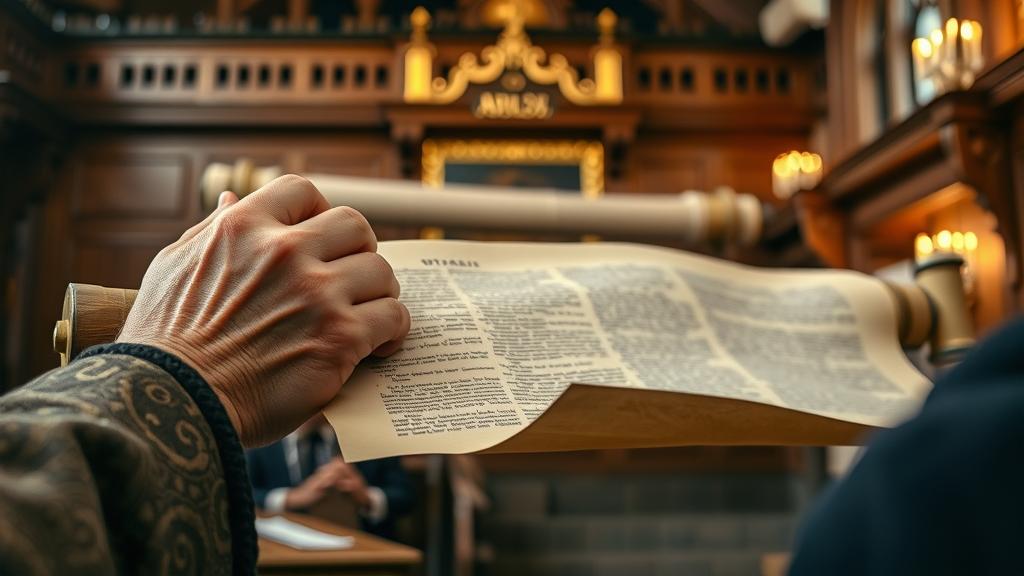
To appreciate the depth of Yom Kippur, it helps to understand both its origins and its spiritual mission. Not just an individual day of fasting, it’s a culmination of Jewish high holy days—a whole season dedicated to change, atonement, and fresh starts. This section takes you from ancient history to the heart of what makes Yom Kippur unique: atonement, repentance, and the focus on meaningful self-examination.
Delving into the meaning of Yom Kippur reveals why it’s long been called the “Sabbath of Sabbaths.” The holiday’s ancient rituals still echo in today’s practices, yet each generation brings its own understanding and relevancy to the day. In many ways, Yom Kippur provides a blueprint for living with compassion, humility, and a willingness to seek forgiveness—not just from others, but from oneself as well.
What is Yom Kippur and Why Is It Celebrated?
Yom Kippur is the Day of Atonement in Jewish tradition—a 25-hour period dedicated to reflection, repentance, and seeking forgiveness from both God and fellow human beings. Celebrated at the end of the Ten Days of Awe (which begin with Rosh Hashanah, the Jewish New Year), Yom Kippur is not just about confession and prayer; it’s about taking accountability for one’s actions and committing to positive change. The day is observed by Jews worldwide, regardless of denomination, and serves as a communal opportunity for reconciliation and growth.
The rituals of Yom Kippur, though rooted in biblical tradition, are designed to prompt deep personal introspection. From fasting and abstaining from daily comforts to communal prayers and rituals, every moment is an invitation to pause, acknowledge what you wish to change, and set intentions for the future. No wonder Yom Kippur is often called Judaism’s holiest—and most demanding—day.
Origins and History of Yom Kippur
The roots of Yom Kippur trace back over three millennia, with foundations in the Torah. The day was first established as a sacred time for atonement, described in Leviticus 16 and 23. In ancient Israel, the High Priest entered the Holy of Holies to offer sacrifices for the sins of the people, highlighting the theme of reconciliation not only between individuals and God, but also among community members.
As Jewish communities spread across the globe, their observance of Yom Kippur evolved. Yet key elements have remained unchanged: fasting, prayer, and communal repentance. The blend of ancient text and modern experience connects Jews of all backgrounds to a shared spiritual legacy, making Yom Kippur both deeply traditional and continually relevant.
The Spiritual Core: Atonement, Repentance, and Reflection
What makes Yom Kippur significant goes far beyond rituals—it’s the day’s invitation to genuine atonement and self-examination. The act of repentance, known as “teshuvah,” means “returning”—returning to one’s values, to healthier habits, and to relationships that matter. The day emphasizes honest self-evaluation: Who have I hurt? What do I need to forgive or seek forgiveness for?
Most importantly, Yom Kippur teaches that no mistake is too great to be mended. Through prayers and rituals like “Vidui” (confession) and heartfelt apologies, every participant is given a roadmap to begin anew. The power of this process is enduring—it’s what gives Yom Kippur its timeless relevance and healing potential, both for individuals and entire communities.
Rituals and Observances: Yom Kippur in Practice
On Yom Kippur, every action has purpose—each ritual serves to direct attention inward and upward. Some customs are widely recognized, while others are unique to specific communities. These shared practices ensure that, wherever Jews may live, they are united by similar rhythms of reflection and renewal.
The following list captures the core Yom Kippur rituals practiced around the world:
- Fasting from sunset to sunset
- Attending synagogue services
- Reciting special prayers (Vidui, Kol Nidre, Neilah)
- Abstaining from work and pleasures
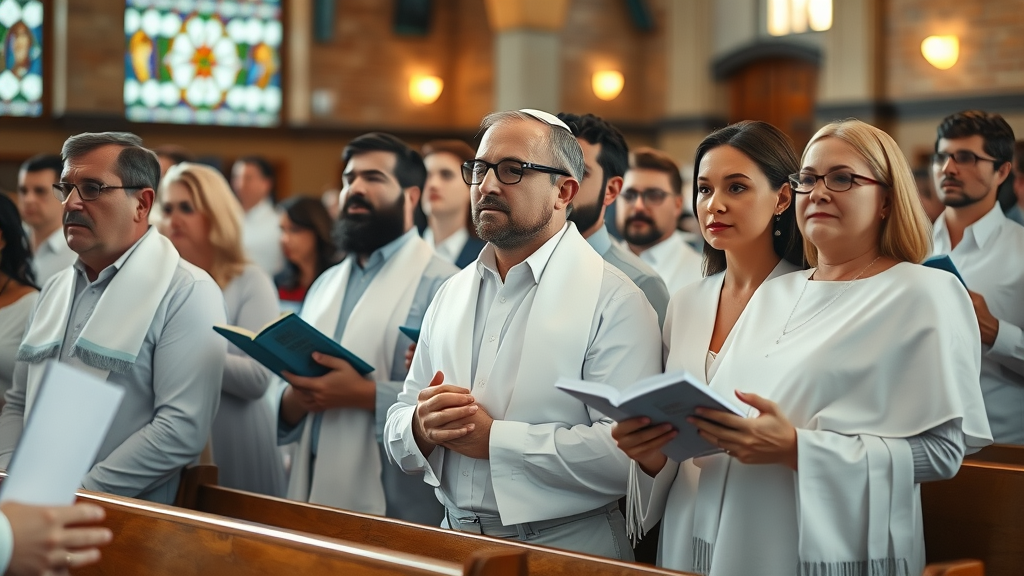
- Wearing white as a symbol of purity
| Practice | Ashkenazi Jews | Sephardic Jews | Mizrahi Jews |
|---|---|---|---|
| Fasting Duration | 25 hours | 25 hours | 25 hours |
| Kol Nidre Service | Chanted with special melody | Chanted with unique cultural variations | May add regional prayers or melodies |
| White Clothing | Customary for all attendees | Often worn, with additional colored sashes | Some wear traditional garments, may blend family customs |
| Liturgical Variations | Eastern European tunes, Yizkor memorial | Spanish-Portuguese or Middle Eastern additions | Regional prayers in origin languages |
| Breaking the Fast | Dairy or light meal, often with sweets | Salty pastries, fish, or soup | Fresh fruit, bread, and tea |
Common Misconceptions and Facts About Yom Kippur
Despite its prominence, Yom Kippur is sometimes clouded by misconceptions. Many only associate it with fasting, unaware of its spiritual richness and the range of prohibitions that shape the day’s unique atmosphere. Understanding what is (and isn’t) permitted on Yom Kippur helps clarify its intent: to focus on personal growth, repentance, and purity of heart and mind.
Shedding light on these lesser-known facts not only deepens appreciation for the holiday but also corrects misunderstandings that can hinder meaningful participation. Let’s explore some common misconceptions and the truth behind them:
Two Things Not Allowed on Yom Kippur
- Eating and drinking
- Wearing leather shoes
The two best-known prohibitions—refraining from eating and drinking for 25 hours, and not wearing leather shoes—are intended to encourage humility and spiritual focus. By abstaining from these basic comforts, participants are reminded of life’s fragility and the importance of gratitude, empathy, and compassion for those in need.
Leather shoes, associated with luxury and status in ancient times, are replaced by simple footwear as a gesture of modesty. Eating and drinking are delayed, shifting attention from physical needs to spiritual aspirations, and fostering a sense of equality and collective purpose within the community.
Other Lesser-Known Prohibitions on Yom Kippur
- Bathing or washing
- Applying lotions or perfumes
- Marital relations
Beyond fasting, Yom Kippur includes several other abstentions designed to create an atmosphere of purity, focus, and humility. Bathing or washing (except for health or hygiene), applying lotions or perfumes, and refraining from marital relations are all meant to help participants distance themselves from physical indulgence, emphasizing spiritual renewal and self-control.
These traditions offer a rare opportunity to reconsider one’s relationship with everyday pleasures and distractions, creating a unique mental space for personal insight and lasting change. Observers are encouraged to redirect their energy toward acts of kindness, honest prayer, and making amends with others.
Animated Guide: Rituals and Meanings of Yom Kippur
Watch an engaging animated guide to understand the history and practices that make Yom Kippur so meaningful across generations.
The Language of Yom Kippur: Greetings and Communication
Communication takes on special significance during Yom Kippur. The words we choose—whether for apologies, prayers, or greetings—carry extra weight. It’s common to wonder how to address friends, neighbors, or loved ones respectfully during this solemn time.
Understanding the appropriate greetings for Yom Kippur helps create a supportive, meaningful atmosphere. The language of the day reminds participants of its seriousness, while also expressing hope for a positive spiritual outcome.
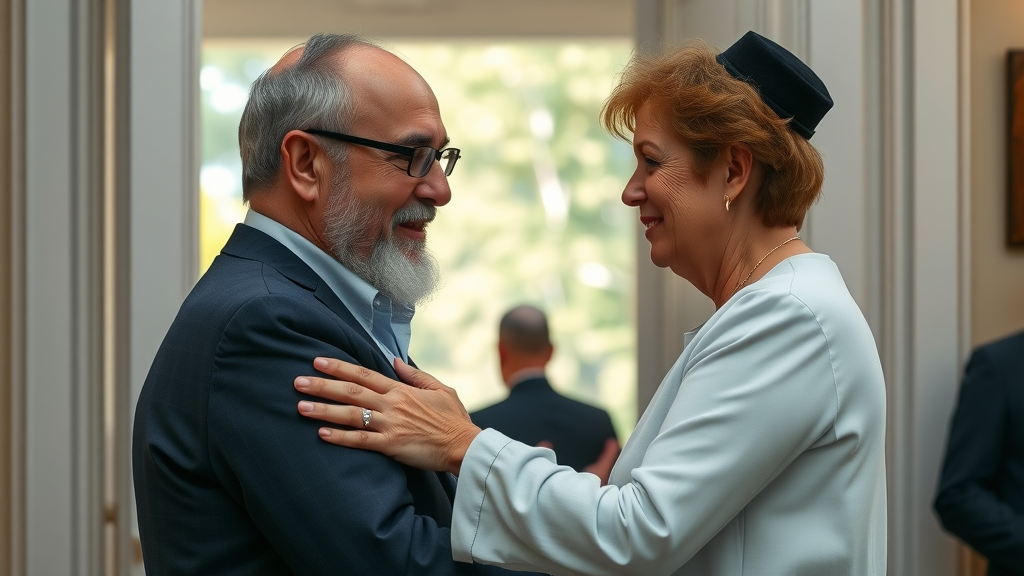
Do We Say Happy Yom Kippur?
Unlike many holidays, wishing someone a “happy” Yom Kippur isn’t customary. Because Yom Kippur is a day of solemnity and reflection, greetings focus on spiritual achievement and sincere intentions rather than celebration.
While it may be tempting to wish “Happy Yom Kippur,” most people use language that aligns with the day’s themes of atonement and renewal.
Appropriate Greetings for Yom Kippur
The most common greeting on Yom Kippur is “G’mar Chatimah Tova” or simply “G’mar Tov”, which means “May you be sealed for good [in the Book of Life].” For those not familiar with Hebrew, phrases like “have an easy fast” or “wishing you meaningful reflection” are appropriate and appreciated.
These greetings demonstrate respect for the holiday’s significance and for what others may be experiencing. Even if you don’t personally observe, offering a thoughtful message shows understanding and support.
The Power and Purpose of Fasting on Yom Kippur
Fasting from sundown to sundown is one of Yom Kippur’s defining observances. But its meaning is so much more than denying physical comfort. Fasting serves as a physical reminder of the day’s spiritual focus—helping participants shift from self-indulgence to self-examination and prompting deeper contemplation on what truly nourishes the soul.
The fast equalizes all who participate, serving as a communal gesture of humility and sincerity. It’s both a test of self-restraint and a statement that spiritual growth, however challenging, is within everyone’s reach. The hunger felt is a shared experience, uniting families and congregations in a common resolve to reflect and renew.

Is Yom Kippur a Day of Fasting?
Yes, Yom Kippur is universally recognized—across Jewish communities of every background—as a solemn day of fasting. From adults to teenagers, most who are physically able abstain from all food and drink for approximately 25 hours, beginning at sundown and lasting until nightfall the next day.
Fasting helps participants detach from daily needs and focus on the heart of the holiday: introspection, prayer, and recommitment to higher values. It’s not meant as punishment, but as a pathway to clarity and renewed purpose.
Spiritual and Physical Aspects of Fasting
While the physical fast is demanding, its true function is spiritual—a symbolic emptying out that creates space for self-scrutiny, humility, and new insight. The hunger pangs and thirst are reminders of human vulnerability, inspiring empathy for others and a deeper understanding of what really matters.
Those who cannot fast due to health reasons are exempt, emphasizing a core value of Judaism: preserving life and well-being is paramount. The real “work” of the day is inward—turning one’s thoughts to forgiveness, gratitude, and honest dialogue with oneself and the community.
People Also Ask About Yom Kippur
What is Yom Kippur and why is it celebrated?
Yom Kippur marks the Day of Atonement, the holiest day in Judaism, dedicated to repentance and reflection.
Yom Kippur is both a communal and personal day for acknowledging mistakes, seeking forgiveness, and setting new intentions for the year ahead. Built around prayer, fasting, and sincere apology, it’s a unique opportunity to start anew—with oneself, with others, and with God.
What two things are not allowed on Yom Kippur?
Eating and drinking are strictly prohibited on Yom Kippur, and so is wearing leather footwear.
The prohibition against nourishment and wearing leather serve to remind participants of the seriousness of the day and to encourage humility, introspection, and empathy.
Do we say happy Yom Kippur?
The customary greeting is 'G’mar Chatimah Tova,' which means 'May you be sealed in the Book of Life.'
This greeting reflects the day’s themes of hope, reflection, and spiritual aspiration, rather than surface-level happiness.
Is Yom Kippur a day of fasting?
Yes, fasting is central to observing Yom Kippur, symbolizing purification and self-restraint.
The act of fasting also brings the community together in shared purpose and spiritual unity each year.
Rabbi Explains the Deeper Lessons of Yom Kippur
Hear a rabbi offer insight and practical advice on drawing out Yom Kippur’s spiritual power, regardless of your background.
Frequently Asked Questions about Yom Kippur
-
What is the difference between Yom Kippur and Rosh Hashanah?
Rosh Hashanah is the Jewish New Year marked by celebration, hope, and the beginning of a ten-day period of reflection. Yom Kippur, on the other hand, is the final day in this period, dedicated to atonement through fasting, repentance, and prayer. -
How do non-observant Jews acknowledge Yom Kippur?
Many non-observant Jews still take time away from work, spend the day quietly, or reach out to family and friends. Some may fast or attend synagogue for meaningful parts of the service, focusing on personal reflection in their own way. -
What happens if someone cannot fast?
Jewish law prioritizes health and life above all else. Those who are ill, pregnant, nursing, elderly, or otherwise unable to fast are fully exempt. Many choose to participate through prayer, study, or other acts of kindness.
Key Takeaways: Why Yom Kippur Matters Beyond Tradition

- Yom Kippur encourages personal and communal reflection
- The rituals foster a sense of renewal and forgiveness
- Its relevance persists worldwide, regardless of level of observance
How To Deepen Your Spiritual Understanding Beyond Yom Kippur
"Exploring the meanings of holy days like Yom Kippur can enrich your spiritual journey every day of the year."
If you’re inspired to go further, consider embarking on a deeper study of sacred texts. Inductive Bible study methods offer a hands-on way to investigate, interpret, and apply spiritual wisdom from Yom Kippur and beyond.
Learn How To Study The Bible Using Inductive Study Methods
The journey to spiritual growth doesn’t end when Yom Kippur does. With inductive study, you can explore scripture for yourself—asking questions, drawing your own insights, and building a personal connection with the messages that matter most. Whether you’re new to Bible study or seeking new inspiration, this approach empowers lifelong learning and growth.
Take action: Start your spiritual exploration today and see how timeless teachings from days like Yom Kippur can guide you throughout the year.
If you’re eager to continue your journey of spiritual discovery, there’s a wealth of insight waiting for you. Broaden your understanding of faith, tradition, and personal growth by exploring the full range of resources and reflections available on the Anselm Bible Church Blog. Whether you’re seeking practical guidance, historical context, or inspiration for daily living, you’ll find thoughtful articles designed to deepen your connection to both ancient wisdom and modern life. Let your curiosity lead you to new perspectives and transformative ideas that can enrich your spiritual path all year long.
Conclusion
By understanding Yom Kippur beyond the surface, we gain timeless tools for renewal and connection—both with others and within ourselves.



Write A Comment