
Did you know that more than 15 million Jews around the world come together each year to listen to 100 blasts of the shofar during Rosh Hashanah—a ritual that has resounded for over two millennia? Rosh Hashanah, also known as the Jewish New Year, is more than just a holiday—it is a worldwide celebration of reflection, hope, and spiritual renewal. Whether you’re marking the day with vibrant family meals or pondering personal growth, Rosh Hashanah unlocks a unique magic, inviting all to begin a new chapter with intention and joy. In this guide, you’ll discover its deep spiritual roots, cherished customs, and actionable ways to bring the spirit of renewal into your own life—no matter your background.
What You’ll Learn About Rosh Hashanah and Renewal
Discover the origins and spiritual meaning of Rosh Hashanah
Explore cherished Rosh Hashanah traditions and customs
Learn how Rosh Hashanah is connected to Yom Kippur and the Jewish New Year
Find answers to common questions including what is forbidden on Rosh Hashanah
Embrace personal strategies for celebrating Rosh Hashanah meaningfully
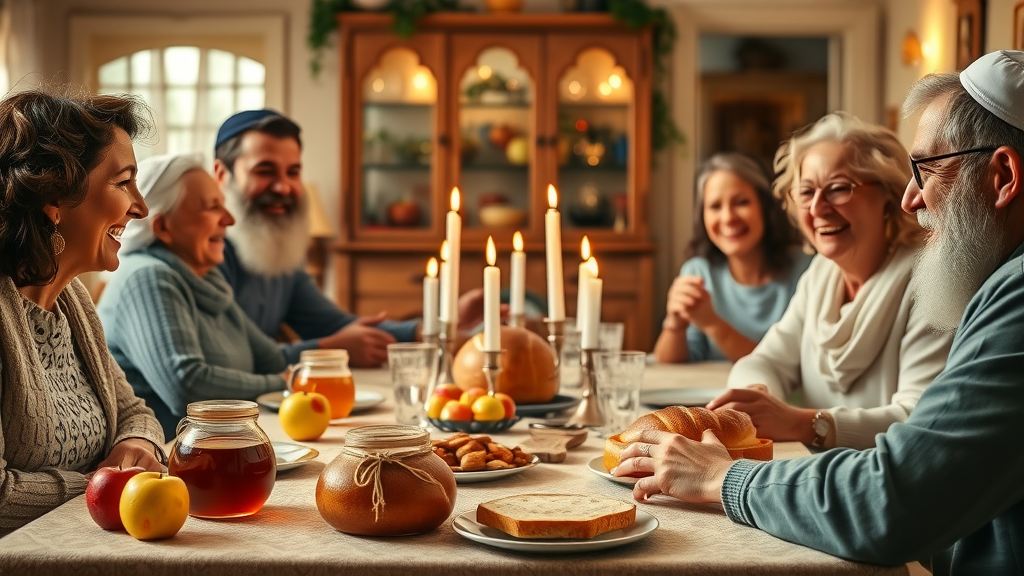
A Surprising Insight: Rosh Hashanah in Numbers and Traditions
“Did you know that millions around the world celebrate Rosh Hashanah by listening symbolically to 100 shofar blasts—a tradition over 2,000 years old?”
This astonishing fact connects generations across continents, highlighting the enduring power of ritual and the deep heritage embedded in the Jewish New Year. The act of hearing the shofar—each sustained note symbolizing a call to self-improvement—unites communities and sets Rosh Hashanah apart in the Jewish calendar. Each of the shofar blasts you hear echoes the timeless spirit underlying the festival: to reflect, renew, and plan a better life as the years begin anew.
Understanding Rosh Hashanah: The Heart of the Jewish New Year
Rosh Hashanah: Origins and Spiritual Significance
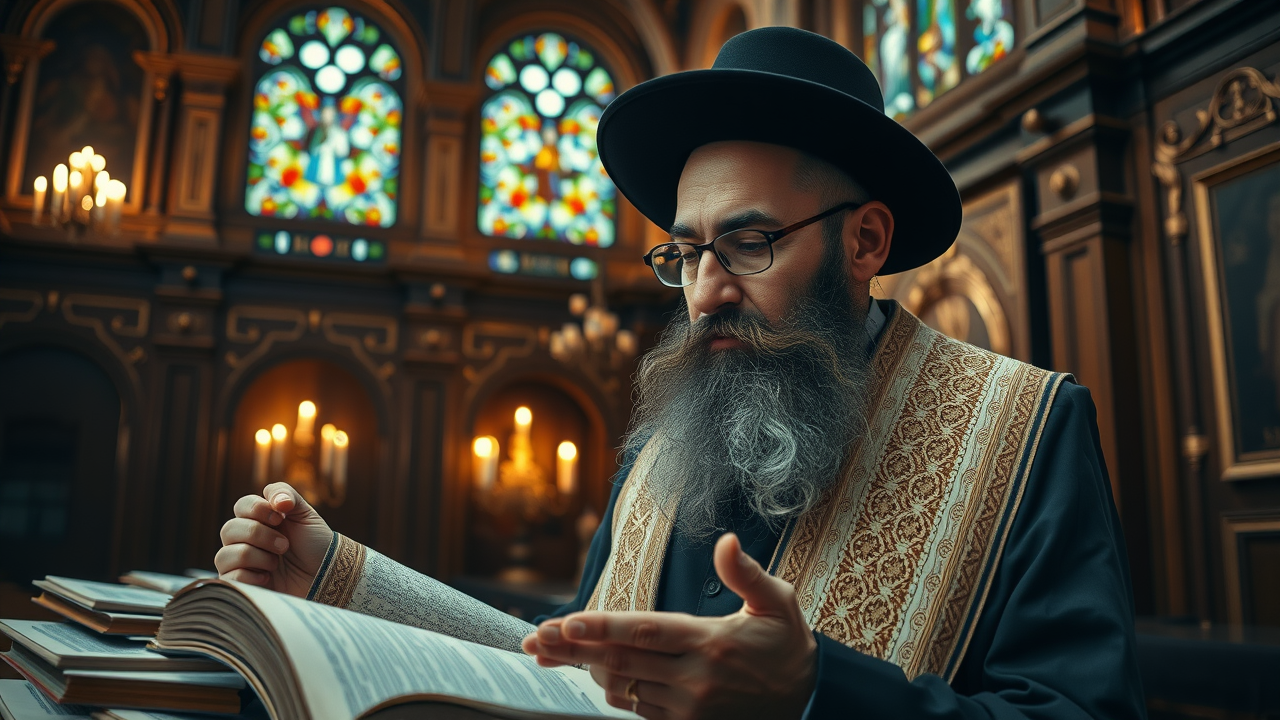
Rosh Hashanah, meaning “Head of the Year” in Hebrew, marks the start of the Jewish New Year and occurs in the seventh month of the Jewish calendar, Tishrei. Unlike the secular calendar's celebrations in January or between March and April, Rosh Hashanah is a time deeply embedded in biblical history. In English Bibles and traditional liturgy, it is referenced as a sacred day of “shouting” or “blasting,” referring to the sounding of the shofar. The spiritual significance is profound: not only is it a day for joyful gathering, but the celebration is also rooted in solemn reflection. Jewish communities worldwide see Rosh Hashanah as the birthday of the world and humanity’s opportunity for moral and spiritual renewal, a time to review the mistakes of the past and increase the year’s blessings with new intentions. Extensive liturgical insertions fill the synagogue on Rosh Hashanah with prayers for a good year—“tovah tikatev”—and for forgiveness, a prelude to the intense soul-searching that continues through the Days of Awe leading up to Yom Kippur.
This festival stands out because its blend of solemnity and celebration reflects the dual nature of the day: both a feast of hope and a call to self-betterment. Families walk to flowing water in the tashlich ceremony, symbolically casting off transgressions, while the practice of sprinkling salt on bread and eating apples dipped in honey underscores the wish for a sweet, blessed year. The extensive traditions and extensive liturgical insertions in prayers make Rosh Hashanah not just a holiday but a deeply transformative experience, one that speaks of renewal that is both personal and communal.
Rosh Hashanah and the Connection to Yom Kippur
Comparison of Rosh Hashanah Traditions With Other Jewish Holidays |
|||
Tradition/Ritual |
Rosh Hashanah |
Yom Kippur |
Other Holidays |
|---|---|---|---|
Shofar Blowing |
Yes (100 blasts) |
No |
No |
Apples & Honey |
Yes (symbolic food for a sweet year) |
No |
No |
Fasting |
No |
Yes (complete fast) |
Varies (e.g., Yom Kippur, Tisha B'Av) |
Extensive Prayers |
Yes |
Yes |
Yes |
Prayers for Forgiveness |
Yes (begins liturgy through Yom Kippur) |
Yes (culminates) |
Sometimes |
Community Gathering |
Yes (festive meals, synagogue) |
Yes (prayer services) |
Yes |
Rosh Hashanah and Yom Kippur are closely connected as the opening and closing observances of the sacred Days of Awe in the Jewish calendar. Rosh Hashanah opens the ten-day period of introspection and repentance, guiding participants through a process where they set intentions for a good year and seek forgiveness for mistakes of the past. The liturgy extends from Rosh Hashanah, with special insertions and prayers that run through the Days of Awe, culminating in the somber fasting and prayers of Yom Kippur. Both holidays underscore personal growth but serve different spiritual roles—one ushers in renewal; the other concludes with ultimate forgiveness and a clean slate for the new year.
The connection between Rosh Hashanah and Yom Kippur goes beyond timing—it forms a powerful narrative central to the Jewish New Year’s spiritual journey. The journey from Rosh Hashanah to Yom Kippur reflects a transformation, starting with the sounding of the shofar and ending with the closing prayers of repentance. Together, they form the spiritual core of the Jewish new year cycle, inspiring both deep self-reflection and resolute hope.
Why Rosh Hashanah Marks the Start of Renewal

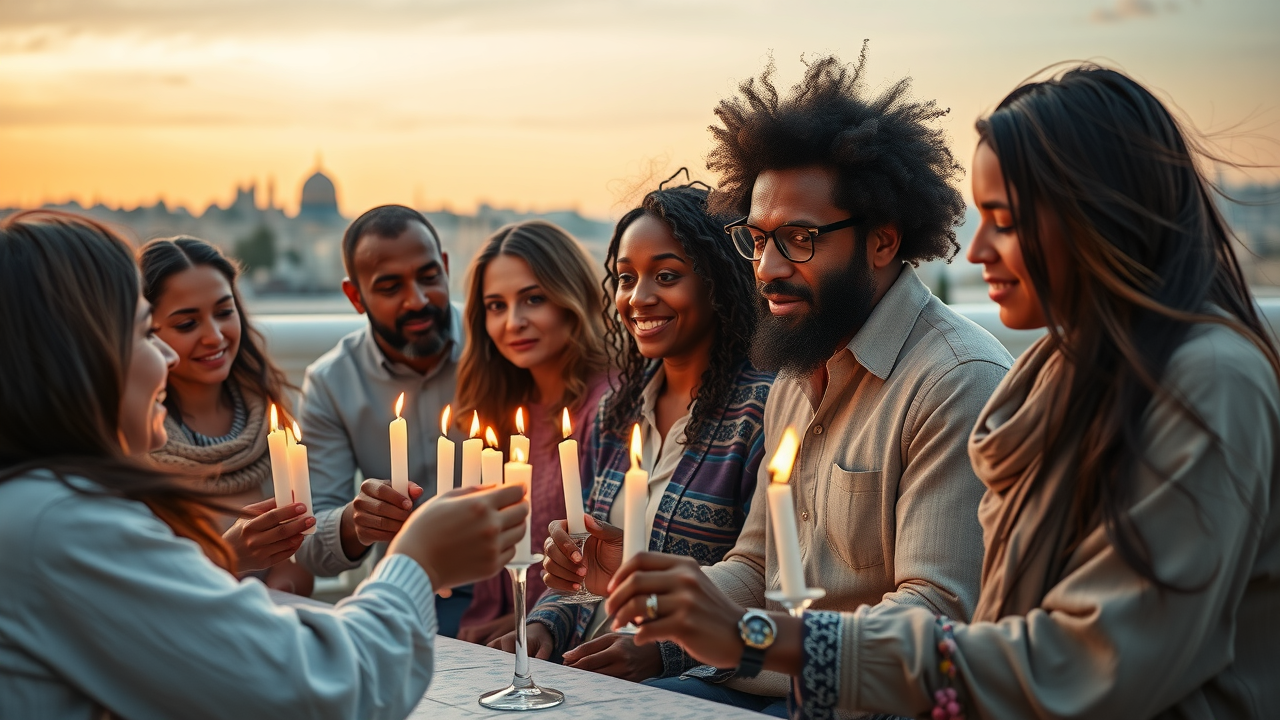
Renewal lies at the heart of Rosh Hashanah, making it much more than a passage between years. The festival serves as a spiritual “reset” button—inviting participants to reflect, repair, and set forth with new intentions. Lighting candles, eating symbolic foods like pomegranate, and reciting traditional prayers symbolize hope for growth and abundance. The holiday encourages everyone to consider where they are on their life’s journey and how they wish to grow in the coming year—and this notion of renewal has a unique resonance during Rosh Hashanah thanks to the Jewish calendar’s cyclical nature.
Rosh Hashanah’s rituals carve out sacred time and space for honest introspection. Much as the shofar blasts signal both warning and awakening, so too does the process of taking stock—a popular practice in traditional synagogues and homes alike. By pausing to reflect, people worldwide embrace the Jewish New Year as a meaningful opportunity to set personal goals, reconcile differences, and plan a better life. This sense of renewal is not just individual; it radiates through families, communities, and, ultimately, the world, inviting everyone—Jewish or otherwise—to embrace a fresh start each year.
Traditions and Customs: How Rosh Hashanah is Meaningfully Celebrated
Sweet Foods, Shofar Blowing, and Community Gathering
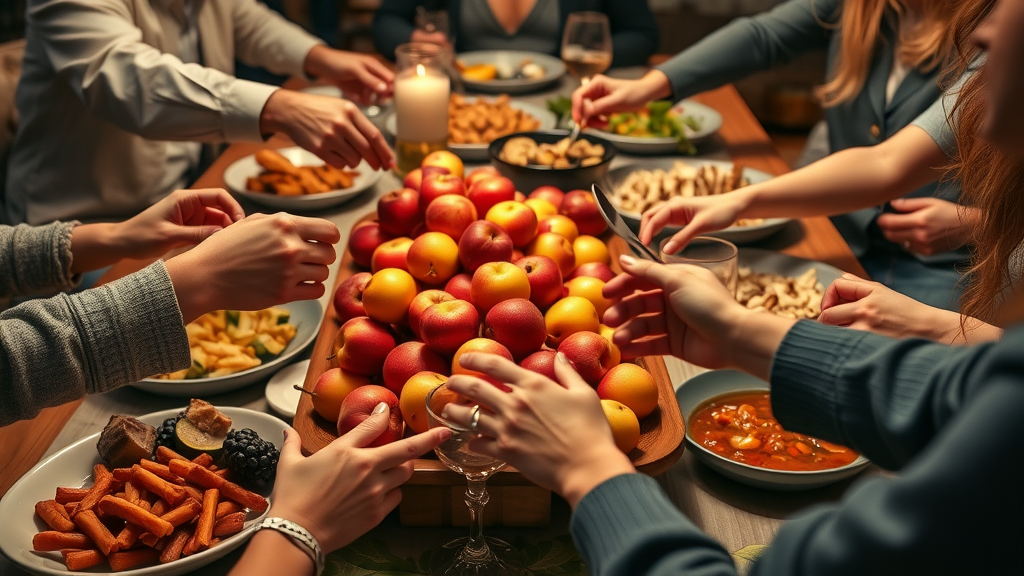
From the moment Rosh Hashanah begins at sundown, Jewish homes and synagogues come alive with anticipation, warmth, and traditional celebrations. Among the most beloved customs is the eating of apples dipped in honey, a gesture wishing for a “sweet new year.” Challah bread—baked round to signify the cyclical nature of time—is often sprinkled with raisins and served alongside. Unique to this holiday, the sounding of the shofar—a ram’s horn—is both a wake-up call and an ancient alarm designed to move the soul, resounding up to 100 times in traditional synagogues. This distinctive ritual, alongside festival meals and family gatherings, cements the sense of community and continuity.
Other traditions deepen the holiday’s meaning: the tashlich ceremony invites participants to walk to flowing water, casting away their symbolic burdens as the previous year’s mistakes are left behind. Extensive liturgical prayers fill the synagogue, and homes brim with laughter, rich foods, and joyful greetings. Community is woven into every facet—the young and old alike gather to wish one another “L’shanah tovah tikatev,” or may you be inscribed for a good year, echoing hope for everyone’s journey ahead. These cherished rituals ensure that, as the Jewish new year is celebrated, the values of forgiveness, joy, and connection thrive anew.
Traditional Rosh Hashanah Greetings and Their Meaning
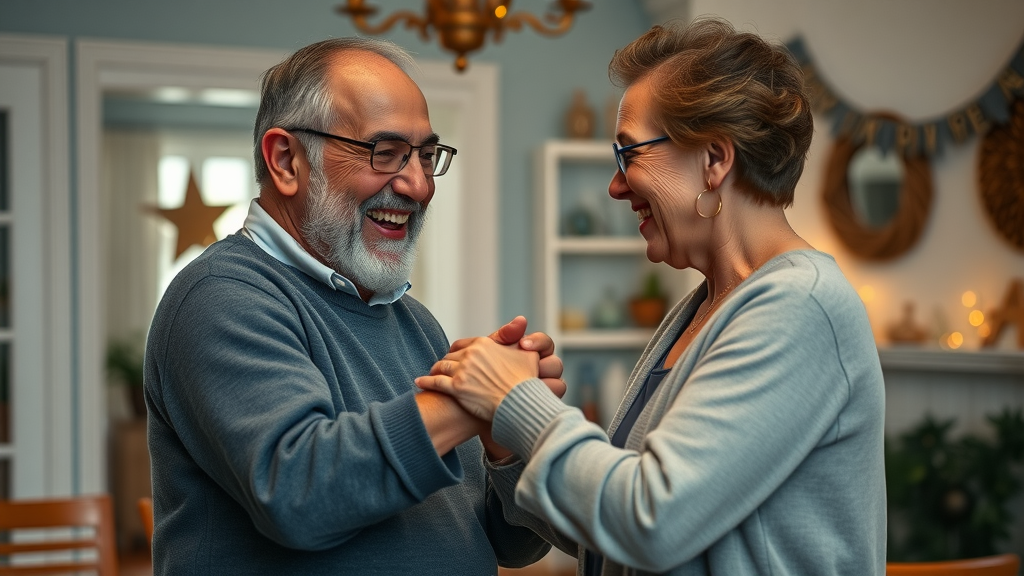
Greeting one another is an essential ritual for Rosh Hashanah—far beyond a simple exchange of words. The most common greeting is “Shanah Tovah,” meaning “(Have a) good year,” while “L’shanah tovah tikatev v’taihatem” conveys the wish “May you be inscribed and sealed for a good year.” These traditional greetings are not just ceremonial; they carry spiritual weight. In Jewish tradition, it is believed that during the Days of Awe—from Rosh Hashanah through Yom Kippur—every person’s fate is written for the coming year, and greetings thus become heartfelt prayers for the well-being of loved ones and the entire community.
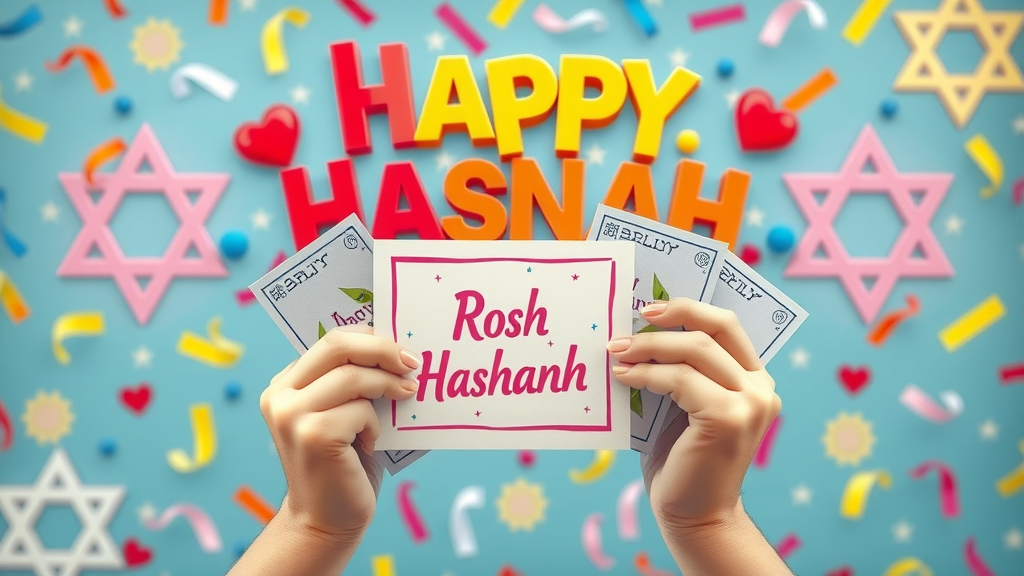
Extending such wishes is a universal practice, warmly offered to friends and strangers alike. In recent years, many also share colorful greeting cards or electronic messages, keeping the spirit of connection alive across distances. The embrace of these greetings, rooted in centuries of tradition, serves as a reminder that Rosh Hashanah is a time to forgive, heal, and look forward with optimism together. The simple act of saying “L’shanah tovah”—in person, over the phone, or in writing—infuses the holiday with a vibrant sense of unity and hope.
Watch: The Sound of the Shofar—Symbolism and Significance for Rosh Hashanah
Personal Reflection: Making the Most of Rosh Hashanah in the Modern Day
Tips for preparing spiritually and emotionally for the Jewish New Year
How to bring renewal and meaning to your celebration
Family activities and communal involvement
Incorporating personal goals into your Rosh Hashanah experience

Modern Rosh Hashanah celebrations reflect the diversity of the Jewish community, yet all center on themes of renewal, introspection, and spiritual growth during the Jewish New Year. In preparation for the holiday, many carve out time over the preceding month to assess personal growth, mend relationships, and set heartfelt intentions for the coming year. Even amidst busy lives, families can bring meaning to their holiday through rituals such as journaling, crafting vision boards, or discussing hopes for the new year at the dinner table.
Community remains central—virtual gatherings, community service, or simply reaching out to extended family help foster a sense of belonging. For younger generations, creating Rosh Hashanah-themed crafts or participating in storytelling can deepen appreciation for the holiday’s messages. Adults and teens alike use Rosh Hashanah as a milestone during the Jewish New Year to plan a better life by setting meaningful personal and communal goals. Simple actions like preparing festive foods together or volunteering locally infuse the occasion with the timeless values of generosity, gratitude, and hope—the core of the Jewish new year experience.
People Also Ask: Your Top Rosh Hashanah Questions Answered
What is Rosh Hashanah and how is it celebrated?
Answer: Rosh Hashanah is the Jewish New Year, observed with festive meals, prayer services, shofar blowing, and by reflecting on personal growth. Families gather to eat symbolic foods such as apples dipped in honey and extend wishes for a sweet new year.
Is it okay to say happy Rosh Hashanah?
Answer: Yes, it’s appropriate to say 'Happy Rosh Hashanah' or wish someone 'L’shanah tovah,' meaning 'to a good year,' as a gesture of goodwill and celebration.
How to explain Rosh Hashanah to non-Jews?
Answer: Rosh Hashanah marks the beginning of the Jewish calendar year and focuses on reflection, forgiveness, and the hope for future blessings, analogous to New Year’s celebrations in other cultures but steeped in spiritual renewal.
What is forbidden on Rosh Hashanah?
Answer: Traditional Jewish law forbids working, writing, and using electronics during Rosh Hashanah, focusing instead on rest, prayer, and community. Cooking and carrying items are permitted under certain conditions.
Frequently Asked Questions About Rosh Hashanah
When does Rosh Hashanah begin and end?
What foods are customary for Rosh Hashanah?
How is Rosh Hashanah different from Yom Kippur?
Is Rosh Hashanah the same every year?
Key Takeaways: The Lasting Impact of Rosh Hashanah
Rosh Hashanah is a sacred time for reflection, intention-setting, and spiritual renewal during the Jewish New Year
The holiday is rich in symbolic rituals that emphasize hope, forgiveness, and renewal
Everyone can find personal meaning in the Jewish New Year, regardless of background
“Rosh Hashanah is not just a celebration—it is an invitation to renew our lives with purpose and joy.”
Conclusion: Begin Your Journey of Renewal—Celebrate Rosh Hashanah




Write A Comment