
Did you know that Rosh Chodesh—the biblical "head of the month"—was so important in ancient times that its omission signaled national distress and even merited extra sacrifices? While it slips under the radar for many, its essence offers a transformational path to spiritual renewal for anyone seeking a deeper connection with the biblical rhythm of time. Unpacking its secrets reveals why Rosh Chodesh is not just a minor calendar note but a dynamic call to hope, renewal, and future fulfillment for the entire Jewish nation—and for all who seek to understand God’s appointed times.
A New Beginning: The Transformative Power of Rosh Chodesh
Rosh Chodesh marks more than the simple start of a Jewish month. Woven into the very structure of the Hebrew calendar, this day launches each new period with an invitation to renewal, reflection, and celebration. Historically, this was a time when communities would eagerly await the faintest sliver in the night sky—the new moon—which signaled the official beginning of the month and the resetting of countless spiritual practices. In ancient times, this lunar moment carried significance not just for timekeeping, but for soul-keeping, as it invited the Jewish people to remember their identity as a “nation renewed. ”
The transformative power of Rosh Chodesh lies in its call to step out of routine and into renewal. According to Jewish tradition, it is a day for women in special recognition of their faithfulness, as well as a time when the community gathers for Torah readings, worship, and celebration. For Messianic believers, Rosh Chodesh is rich with prophetic hints of the future—where new beginnings under Messiah point back to the original design and forward to the ultimate restoration. In every context, celebrating Rosh Chodesh is to honor time as holy, to pause for self-examination, and to align one’s heart with the rhythm God established for His people.

Startling Insights: Did You Know This About Rosh Chodesh?
While many recognize Rosh Chodesh simply as the start of a new month, its deeper roots are profoundly spiritual. Unlike other Jewish festivals, Rosh Chodesh is celebrated every month, meaning that the opportunity for renewal is never far from reach. In fact, the very first commandment given to the Jewish nation as they prepared to leave the land of Egypt was to observe the new moon—establishing a pattern of spiritual awareness that would span generations.
Did you also know that the golden calf incident is traditionally linked to the women refusing to contribute, leading to their special association with this day? This unique observance as a day for women distinguishes Rosh Chodesh from most other biblical appointments. Moreover, the prophetic vision of worship “from one new moon to another” (Isaiah 66:23) suggests that Rosh Chodesh is a lens through which we can glimpse ultimate redemption. Understanding these hidden facets of Rosh Chodesh deepens our appreciation for its role in the spiritual life of both the Jewish people and those who embrace the fullness of its prophetic promises.
For those interested in how biblical observances like Rosh Chodesh are woven into the fabric of faith communities today, exploring related teachings and practical applications can offer even deeper insight. The Anselm Bible Church Blog features thoughtful articles that connect scriptural traditions to modern spiritual life, providing valuable context for anyone seeking to enrich their understanding of God’s appointed times.
What You'll Learn About Rosh Chodesh
The Biblical foundations and prophetic significance of Rosh Chodesh
Traditional Rosh Chodesh observances, rituals, and their spiritual meaning
Why Rosh Chodesh holds a unique place as a women’s holiday
How Rosh Chodesh foreshadows future fulfillment in Messiah
Understanding Rosh Chodesh: Spiritual Roots and Torah Reading
To truly appreciate Rosh Chodesh, we must begin with its scriptural basis and the ways in which it is observed through careful Torah reading and sacred rituals. The phrase Rosh Chodesh literally means “head of the month,” signifying the start of each new Jewish month. These moments are built around the lunar cycle, as described in the Jewish calendar, signaling a time set apart for spiritual introspection and communal worship. The Torah’s numbering of months, rather than naming them, underscores the cyclical, always-renewing journey of God’s people—each new moon bringing a fresh opportunity to grow in faithfulness.
The Torah reading for Rosh Chodesh includes passages that highlight the importance of the new moon as a time to bring special offerings and to sound the shofar or trumpet. These actions tie the physical sighting of the moon in the night sky to moments of tangible worship in the Jewish community, creating a bridge between heaven and earth. Such observances anchor Rosh Chodesh within the fabric of Jewish time, reminding each generation of its connection to both past redemption and future hope.
Rosh Chodesh in the Torah: Scriptural Basis and Commandments
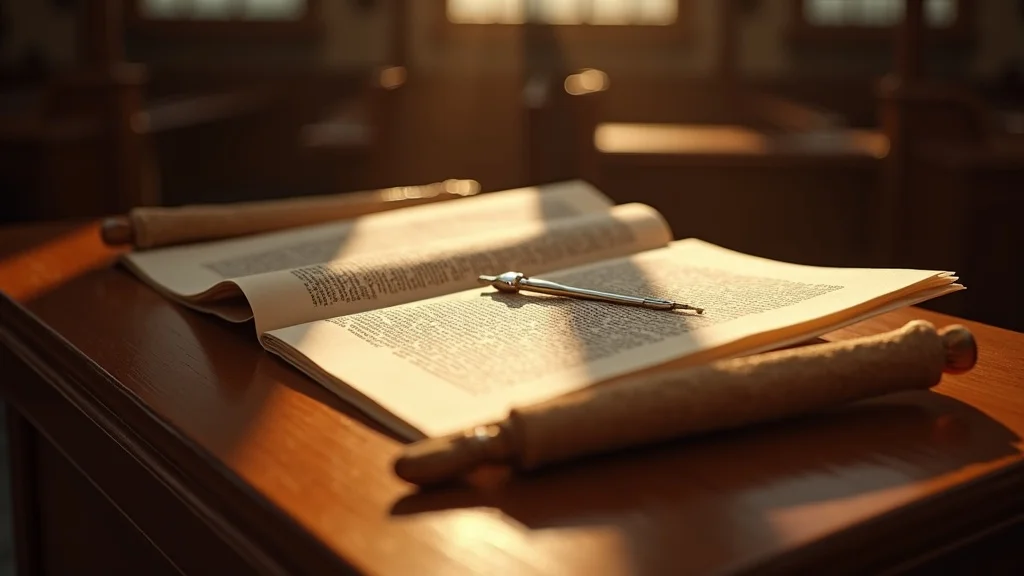
The scriptural foundation for Rosh Chodesh is woven throughout the Bible. In Numbers 10:10, God instructs Moses and Aaron: “On the day of your gladness also, and at your appointed feasts and at the beginnings of your months, you shall blow the trumpets over your burnt offerings and over the sacrifices of your peace offerings. ” This direct command establishes Rosh Chodesh not just as a calendrical ritual but as an appointed sacred time. Additionally, the Torah details the added offerings made on every Rosh Chodesh, linking spiritual renewal to sacrificial worship.
As the Israelites traveled from Egypt and prepared to become the Jewish nation in their own land, God gave them a rhythm that would remind them of ongoing new beginnings. This tradition continues today, not only within traditional Jewish communities but also as part of Messianic spiritual practice. Observing Rosh Chodesh through torah reading, prayer, and contemplation draws us close to God’s cycles and promises, and serves as a prophetic signpost pointing toward ultimate restoration.
"On the day of your gladness also, and at your appointed feasts and at the beginnings of your months, you shall blow the trumpets…" – Numbers 10:10
People Also Ask: Answers About Rosh Chodesh
What is the meaning of Rosh Chodesh?
At its core, Rosh Chodesh means “beginning of the month. ” It is observed on the first day of every new Jewish month according to the Hebrew calendar, marking the appearance of the new moon in the night sky. Beyond the astronomical significance, Rosh Chodesh is a sacred moment embedded in Jewish and Messianic tradition, designed for spiritual reflection, prayer, and an invitation to start anew. It powerfully symbolizes God's unending mercy and ongoing opportunities for personal and communal growth.
What happens during Rosh Chodesh?
Rosh Chodesh is celebrated through special Torah reading, prayers (such as parts of Hallel), and in many communities, the sounding of the shofar or trumpet as prescribed in the Torah. Some communities mark Rosh Chodesh with additional gatherings, communal meals, or women’s fellowship events. It is traditional for Jewish women to refrain from certain types of work on Rosh Chodesh as a sign of honor. In the synagogue, there may be an extra Musaf service, and some Messianic believers use the occasion to reflect on prophetic promises and to connect the new moon with themes of renewal in Messiah.
Why is Rosh Chodesh a woman's holiday?

Tradition holds that Rosh Chodesh is a special day for women because, during the event of the golden calf, the women of Israel refused to relinquish their jewelry for idol-making, remaining faithful to God. Their spiritual sensitivity was honored by giving them a restful, uplifting day each month—Rosh Chodesh. Historically and today, women form Rosh Chodesh groups or “Chodesh groups” to meet, learn, pray, and encourage each other. This monthly observance is a testament to the resilience and ongoing renewal of Jewish women within the community.
What is forbidden on Rosh Chodesh?
While most forms of “work on Rosh Chodesh” are permitted for the broader community, customs encourage women to refrain from arduous labor—such as spinning, weaving, and laundry—as a sign of reverence for the day. Traditional rabbinic sources suggest that while it is not as restrictive as the Sabbath or major festivals, Rosh Chodesh remains a sacred time for stepping away from routine in favor of prayer, reflection, and rest. In modern practice, the emphasis is less on prohibition and more on the positive command to mark this "head of the month" in meaningful, intentional ways.
Rosh Chodesh Rituals and Prayers: Torah Reading and Spiritual Practice
The heart of Rosh Chodesh observance is found in its rituals and prayers. These are designed not only to mark time but to reorient one’s life toward God. The special Torah reading for Rosh Chodesh comes from Numbers 28:11-15, recounting the additional offerings and sacrifices required on this day. The liturgy often includes the recitation of Hallel (a series of psalms expressing praise), additional prayers for renewal, and community gatherings for worship. When Rosh Chodesh coincides with Shabbat or a festival, the celebrations gain an added layer of significance, intertwining the sanctity of multiple appointed times.
For many, modern spiritual practice on Rosh Chodesh extends beyond prayer to include studying Torah, sharing fellowship meals, and participating in Kiddush Levanah (sanctification of the moon)—a prayer said outside under the full moon during the early part of the month. These customs are not only a nod to ancient times but an ongoing affirmation of each generation’s participation in God’s cycles of grace and renewal.
Special Torah Reading for Rosh Chodesh
The designated Torah passages for Rosh Chodesh reinforce the day’s theme of new spiritual beginnings. Congregations read about the monthly sacrifices and reflect on the historical meaning of the new moon for the jewish nation. This reading not only marks the calendar but invites reflection upon the ongoing faithfulness of God to the jewish people through every season of life. Each reading session is a heartfelt reminder that every “beginning of the month” is a God-given opportunity to start fresh, realign one’s life, and anticipate future fulfillment.
Rosh Chodesh Custom |
Biblical Reference |
Spiritual Significance |
|---|---|---|
Blowing the Shofar |
Numbers 10:10 |
Announcing new beginnings |
Additional Musaf Service |
Numbers 28:11-15 |
Elevating worship |
Women's Observance |
Talmud Rosh Hashanah 23a |
Celebrating renewal and fidelity |
Modern and Messianic Observances of Rosh Chodesh
In today’s world, both traditional Jewish and Messianic communities bring renewed vibrancy to Rosh Chodesh through a blend of ancient custom and contemporary relevance. Messianic Jews, for example, weave in prophetic readings that anticipate messianic fulfillment and resurrection hope, highlighting the connection to end-times prophecies where “all flesh” is called to worship at the new moon. These modern practices include joyful worship services, communal fellowship meals, and special prayers framed within a New Covenant context, emphasizing themes of redemption, restoration, and ongoing spiritual growth.
Messianic communities’ prophetic readings
Fellowship meals and worship
Renewal prayers in a New Covenant context
Prophetic and Messianic Meaning of Rosh Chodesh
From a reformed Christian and messianic Jewish perspective, Rosh Chodesh is much more than a time marker. It is rich with prophetic echoes of the future restoration and the coming messianic age. The anticipation of “one new moon to another” worship (Isaiah 66:23) points forward to the establishment of God’s kingdom, where all people are invited to continual renewal before God’s throne. Messianic believers find in Rosh Chodesh a foreshadowing of the New Jerusalem, connecting the cycle of lunar months with the ultimate fulfillment of God’s promises through Messiah Yeshua.
The monthly rhythm of Rosh Chodesh, when recognized through a faith lens, reminds the Jewish people and all believers that God’s mercies are “new every morning”—or, perhaps more accurately, “new every new moon. ” It is a tangible demonstration of the resurrection hope, with each month’s renewal mirroring the victory of life over death and the ongoing process of spiritual transformation to which the faithful are called.
Rosh Chodesh: A Foreshadowing of the New Jerusalem
The prophetic vision of Rosh Chodesh is vividly illustrated in the words of Isaiah: “From one New Moon to another and from one Sabbath to another, all flesh shall come to worship before Me” (Isaiah 66:23). In messianic understanding, these words point to a time when Rosh Chodesh will be honored universally, in a restored Jerusalem, revealing the inclusivity of God’s final redemptive plan. The new moon thus becomes more than a symbol—it is a promise, a preview of the healed relationship between God and humanity.
"From one New Moon to another and from one Sabbath to another, all flesh shall come to worship before Me," says the LORD – Isaiah 66:23
Each Rosh Chodesh gathering—whether in the synagogue, in the home, or in small rosh chodesh groups—is a rehearsal for that future, unbroken worship. It shapes our hopes, aligns our expectations, and reminds us that each “head of the month” is a miniature echo of the world to come.
Watch this short explainer video for a concise overview of the biblical foundations, ancient traditions, and prophetic implications of Rosh Chodesh. Discover how this day is celebrated in both Jewish and Messianic communities through readings, worship, and communal gatherings under the new moon.
Celebrating Rosh Chodesh: Step-by-Step List for Observance
Whether you are participating for the first time or deepening a family tradition, observing Rosh Chodesh can be a meaningful and uplifting experience. Here’s a practical guide to marking this special day in your home or community:
Mark the new moon by sighting or calendar observation
Recite special prayers and Hallel
Participate in Torah reading relating to Rosh Chodesh
Women honor the day with rest from work
Study prophetic future meanings in Messianic context
Gather for communal worship and fellowship

FAQs About Rosh Chodesh in Practice
Can Rosh Chodesh be observed outside Israel?
Absolutely. Rosh Chodesh is observed by Jewish and Messianic communities around the world. While the original commandment related to sighting the new moon in Israel, today’s communities use both lunar sightings and established calendars to mark the day wherever they are.How do Messianic Jews keep Rosh Chodesh differently?
Messianic Jews incorporate additional readings and prayers highlighting messianic fulfillment and resurrection hope. They may connect Rosh Chodesh to New Testament patterns of renewal and often include worship songs, prophetic study, and fellowship meals in their observance.Are there special foods for Rosh Chodesh?
While not prescribed, many families and communities enjoy special meals with foods like challah, fish, or new fruits to mark the day. These gatherings foster togetherness and a spirit of joy as part of monthly renewal.What is the connection between Rosh Chodesh and the resurrection hope?
Just as each new moon signals a fresh start and the rhythm of renewal, believers see Rosh Chodesh as a recurring reminder of God’s promise to resurrect and restore. Monthly renewal points to the ultimate resurrection hope in Messiah where life, not death, has the final word.

Key Takeaways for Spiritual Renewal Through Rosh Chodesh
Rosh Chodesh transforms the “beginning of the month” into an opportunity for renewal, reflection, and worship
Marking Rosh Chodesh involves special Torah reading, extra prayers, and meaningful family and community gatherings
Honoring the tradition as a day for women celebrates faithfulness and resilience, as recognized in the story of the golden calf
From a prophetic and messianic lens, Rosh Chodesh points toward the ultimate restoration and worship in the New Jerusalem
Conclusion: Embrace the Renewal—A Rosh Chodesh Invitation
Step into the timeless pattern of spiritual renewal—observe Rosh Chodesh, and let each new moon inspire hope, joy, and deeper faith in the Creator’s promises.
If this exploration of Rosh Chodesh has sparked your curiosity about the broader landscape of biblical observances and their relevance for today’s faith journey, there’s much more to discover. The Anselm Bible Church Blog offers a wealth of resources that delve into scriptural patterns, spiritual disciplines, and the prophetic significance of God’s appointed times. Whether you’re seeking practical guidance for your own observance or deeper theological insight, these articles can help you take the next step in your spiritual renewal. Continue your journey and uncover new layers of meaning that will enrich your walk of faith throughout the year.
Sources
Chabad.org – https://www.chabad.org/library/article_cdo/aid/4098056/jewish/What-Is-Rosh-Chodesh.htm
My Jewish Learning – https://www.myjewishlearning.com/article/rosh-chodesh-101/
Jewish Virtual Library – https://www.jewishvirtuallibrary.org/rosh-chodesh
Got Questions – https://www.gotquestions.org/Rosh-Chodesh.html
Encyclopaedia Britannica – https://www.britannica.com/topic/Rosh-Chodesh
Hebrew4Christians – https://www.hebrew4christians.com/Holidays/Rosh_Chodesh/rosh_chodesh.html
Rosh Chodesh, meaning “head of the month,” is a minor Jewish holiday marking the beginning of each new month in the Hebrew calendar, traditionally observed with special prayers and rituals. (en. wikipedia. org) Historically, Rosh Chodesh was significant, involving sacrifices and communal gatherings. In ancient times, the new month was declared based on eyewitness testimony of the new moon, a practice that continued until the fixed calendar was established. (en. wikipedia. org) The observance of Rosh Chodesh includes the recitation of the Yaaleh V’Yavo prayer during the Amidah, the addition of the Musaf service, and the reading of specific Torah passages related to the new month. In some communities, women refrain from certain types of work on Rosh Chodesh, honoring their refusal to participate in the sin of the golden calf. (en. wikipedia. org) In modern times, Rosh Chodesh has become a time for women’s gatherings, study, and spiritual renewal, with many forming Rosh Chodesh groups to connect and celebrate together. (wrj. org) Understanding Rosh Chodesh offers insight into the Jewish calendar’s structure and the opportunities for monthly spiritual reflection and renewal it provides.




Write A Comment