
Did you know that Tisha B'Av, the day considered the saddest in the Jewish calendar, marks not just one calamity but layers of national tragedy that first unfolded due to a report by ten ancient spies? This overlooked origin has set the stage for untold centuries of sorrow, yet also embedded powerful lessons in the fabric of Jewish resilience. In this comprehensive exploration, you’ll unveil the surprising history behind Tisha B'Av—including its connection to the 10 spies, unique traditions, and why this date remains a pillar of Jewish memory and hope. Prepare to uncover why, for countless Jewish communities, the ninth day of the month of Av is more than a date: it's a cornerstone of both mourning and meaning.
- Discover little-known facts about tisha b'av
- Explore its direct link to the 10 spies
- Learn key customs and prohibitions
- Understand tisha b'av's place among other Jewish fasts
- Connect tisha b'av to pivotal historic and spiritual themes
Unveiling Tisha B'Av: The Day That Changed Jewish Destiny
Tisha B'Av is more than just a fast day—it is the canvas on which centuries of Jewish sorrow and endurance are painted. While many know it as a time when Jews refrain from eating and drinking, few realize its direct link to the pivotal story of the 10 spies, whose negative report about the land of Canaan transformed a night of communal anxiety into one of perpetual mourning. This moment in the book of Numbers marked a turning point in Jewish history, establishing the ninth of Av as a recurring date for future national calamities—including the destruction of not one but two Holy Temples in Jerusalem.
The events commemorated on Tisha B'Av echo through every Jewish generation, shaping customs, prayers, and practices. The day is observed not in isolation but as the culmination of a three-week period of increasing mourning, ultimately connecting individual sorrow to the collective loss experienced by the Jewish people. It is this intricate web of history, ritual, and reflection that makes Tisha B'Av a profound date on the Jewish calendar—a day when tragedy is remembered, but hope is quietly kindled for the future.
Tracing Tisha B'Av Back to the Sin of the 10 Spies
The Historical Account: Numbers, the Spies, and the Reaction on Tisha B'Av
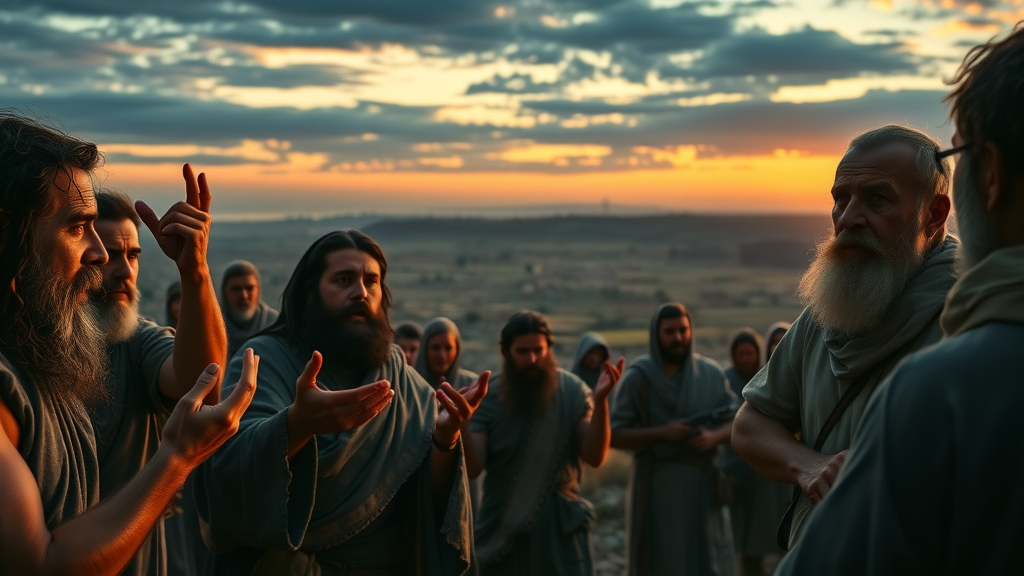
The origin of Tisha B'Av’s sorrowful tone can be traced to the biblical narrative in the Book of Numbers, where twelve spies—one from each tribe—are sent to scout the Promised Land. On their return, ten offered a grim report, warning that the land, while fertile, was inhabited by formidable giants. Their words sparked panic and despair among the Israelites, who questioned their ability to conquer the land and voiced regrets about ever leaving Egypt. According to Jewish tradition, this collective despair unfolded on the night of the ninth day of Av.
As described in Numbers 13–14 , the people’s reaction was swift and profound; they wept throughout the night, a response rooted in fear rather than faith. This episode was so significant that it set the spiritual climate for centuries to come, linking tisha b'av forever to collective tragedy. The night itself, according to many sources, marked the first national day of mourning—a prototype for all the sorrows that would later befall the Jewish people.
How the 10 Spies’ Report Led to the First Tisha B'Av
In response to the Israelites' cries, God pronounced that the generation who doubted would wander the desert for forty years and never inherit the Promised Land. This punishment, as recorded in both the Torah and expanded upon in Talmudic literature, was deemed a consequence of misplaced fear and lack of faith in divine promises. The significance of this breach of trust cannot be overstated: it is seen as the spiritual root of all future tragedies marked on Tisha B'Av.
The Talmud, Tractate Ta’anit 29a, famously records:
"On that night, the people wept for nothing—so God established it as a night of weeping for generations to come."
Why Is Tisha B'Av the Saddest Day?
A Day of National Mourning: Multiple Tragedies on Tisha B'Av
Tisha B'Av is not limited to one tragedy—it is a day overflowing with a history of calamity. On this date, both the First and Second Temples in Jerusalem were destroyed, centuries apart. These were not merely buildings, but the spiritual and communal heart of the Jewish people—each loss representing a profound rupture in the relationship between God, land, and community. The loss of the ancient temple cast the Jewish nation into exile, prompted waves of persecution, and led to the dispersal of Jews from their ancestral homeland.
History compounds this day’s sorrow with other disasters that befell the Jewish people on Tisha B'Av: the expulsion from Spain in 1492, the outbreak of World War I, and countless pogroms and persecutions throughout the centuries. This accumulation of suffering is why tisha b'av is known as the "saddest day" in the Jewish calendar—a reservoir into which the sorrows of a nation have continually flowed.
The Enduring Impact on Jewish Identity and Memory
Commemorating Tisha B'Av is not solely about grief—it's about sustaining collective memory and identity. This day underpins the Jewish understanding of resilience, perseverance, and hope, even in the face of adversity. Each year, as Jewish communities gather to read the Book of Lamentations and sit on a low stool in symbolic mourning, they renew their ties to both past suffering and the hope for redemption.
"Throughout the centuries, Tisha B'Av has become a reservoir for Jewish sorrow, commemorating calamities that shaped a nation."
For Jews worldwide, Tisha B'Av binds generations together in shared mourning and dignity. The rituals and prohibitions evoke empathy for ancestors and inspire ongoing reflection about spiritual renewal, unity, and eventual rebuilding—themes as relevant today as they were in antiquity.
Tisha B'Av Among Jewish Fast Days: Contrasts With Yom Kippur and Others
Tisha B'Av is one of several fast days in the Jewish calendar, each commemorating pivotal moments in Jewish history. However, while Yom Kippur is known as a day of atonement and spiritual elevation, Tisha B'Av stands out as a day of mourning and collective loss. The contrasts between these observances offer deep insight into the Jewish approach to tragedy and renewal.
The following table provides a clear comparison between Tisha B'Av, Yom Kippur, and other notable fast days. By examining origin, observance, and unique characteristics, we can better appreciate the distinct spirit and intent of each day, and understand why Tisha B'Av's impact is uniquely enduring.
| Name | Date | Origin | Observance | Unique Features |
|---|---|---|---|---|
| Tisha B'Av | 9th of Av | Destruction of both Temples, linked to 10 spies | 25-hour fast, mourning, Lamentations, no greeting | Focus on communal tragedy; no Torah study (except mourning texts) |
| Yom Kippur | 10th of Tishrei | Day of Atonement, Biblical command | 25-hour fast, atonement prayers, white clothing | Spiritual cleansing, solemn joy, personal repentance |
| 17th of Tammuz | 17th of Tammuz | Breaching of Jerusalem’s walls | Daytime fast, prayers | Start of Three Weeks mourning period |
| Fast of Esther | 13th of Adar | Commemoration of Purim events | Daytime fast | National salvation theme |

How Do Jews Observe Tisha B'Av?
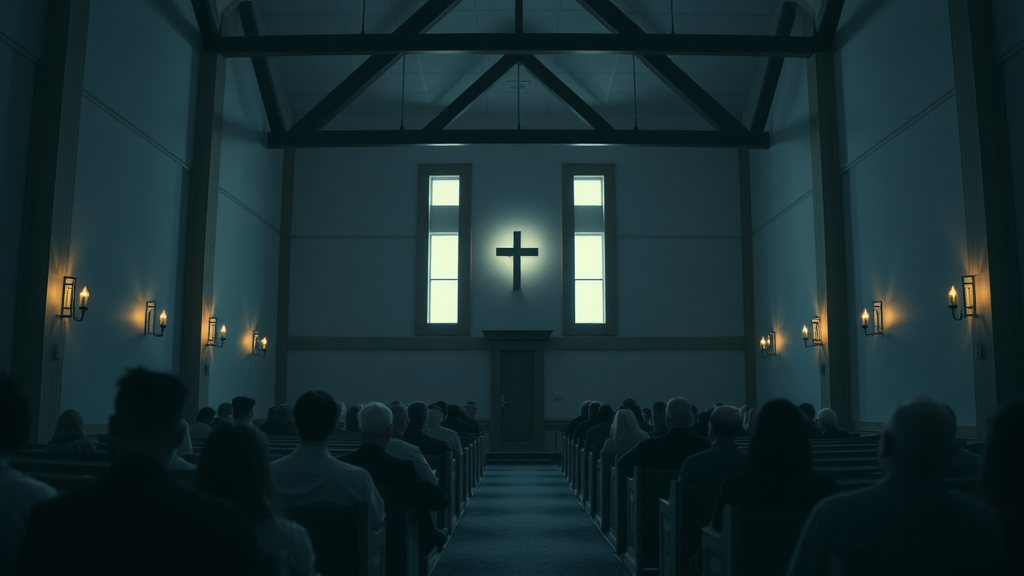
Observing Tisha B'Av goes beyond just fasting—it is a holistic spiritual and communal experience. Jews refrain from regular comforts, avoid greetings, and gather to read the Book of Lamentations, known as Eicha. The day opens with the evening service, often in darkened synagogues, where communities sit low or even on the ground in an outward reflection of inward sorrow. As the 25-hour fast progresses, the focus remains squarely on the collective loss of the temple in jerusalem, the dispersal of the Jewish nation, and the hope for restoration.
- Reading Eicha (Lamentations)
- Fasting for 25 Hours
- Sitting Low/Mourning Practices
- Refraining From Washing or Anointing
- Avoiding Greetings and Comforts
The customs are built on centuries of tradition, with Jewish communities worldwide adapting aspects according to their local customs but united in spirit. The act of refraining from eating and other pleasures, combined with unique prayers and kinot (elegies), makes observing tisha b'av a powerful, unifying ritual.
The Structure of the Tisha B'Av Fast: Timing and Regulations
The Tisha B'Av fast is an extensive 25-hour fast day, akin to Yom Kippur, but its mood is markedly more somber. It begins at sundown on the eighth day of the month of Av and concludes at nightfall on the ninth of Av, once three stars are visible. Fasting is absolute : no eating, drinking, or pleasurable activities are permitted—even for those who might be exempt on other minor fasts. Unlike other fast days, Tisha B'Av is marked by a reduction in light, both physically and metaphorically—synagogue lights are dimmed and participants read by the faintest glows, intensifying the atmosphere of mourning.
Jewish law, or halacha, is meticulous about these restrictions: even the sick abstain to the extent possible, and personal hygiene, bathing, and wearing leather shoes are forbidden to amplify the collective sense of loss. This is why Tisha B'Av stands apart from other fast days —its comprehensive restrictions echo the national grief and spiritual gravity of the destruction of the temple in jerusalem and the calamities that have befallen the Jewish people.

Community Gatherings: Eicha, Kinot, and Shared Mourning
Throughout the centuries, communal observance of Tisha B'Av has featured evening and morning services centered around the public reading of Eicha and kinot. The congregation often sits low or on the floor until midday as a symbol of national affliction and humility. The Book of Lamentations, attributed to the prophet Jeremiah, is read with a unique cantillation, with the haunting melodies reinforcing the somber tone.
Kinot, a collection of dirges and lamentations, are recited to recall not only the loss of the temple mount but also later tragedies—linking past and present in shared memory. By gathering together in synagogues or homes, Jews express solidarity and affirm their communal bond through shared mourning. These rituals foster a unique atmosphere unmatched by any other date on the jewish calendar, strengthening identity and purpose even in sorrow.
Prohibitions and Customs: What You Cannot Do on Tisha B'Av
Tisha B'Av is governed by prohibitions designed to foster introspection and mourning. They move beyond basic fasting requirements, extending to personal grooming, social behaviors, and even religious practices. These are not arbitrary; each custom is grounded in centuries of tradition and intended to bring the loss of the ancient temple and the tragedies befallen the jewish people into sharp, personal focus. Families and individuals refrain from bathing, applying perfumes or makeup, wearing comfortable leather shoes, and engaging in marital relations. Torah study, a daily joy for many, is limited to books and texts relating to calamity and mourning.
- No eating or drinking
- No bathing or washing
- No wearing leather shoes
- No marital relations
- No studying Torah (except mourning texts)
This comprehensive set of restrictions marks Tisha B'Av as the deepest “day of mourning” on the jewish calendar, standing in sharp contrast to even the most solemn moments, such as yom kippur. The collective abstaining from life's comforts is not motivated by self-denial, but to focus the community's mind on national and spiritual introspection—a time to remember the tragedies that reshaped Jewish identity.
Halachic Basis: Why Do We Observe Tisha B'Av Restrictions?
Halachic sources establish these restrictions to ensure that Jewish mourning on Tisha B'Av is both outwardly and inwardly experienced. Rabbinic authorities emphasize that abstaining from comforts institutions a powerful framework for focusing on historical loss. Tisha B'Av’s limitations on Torah study subtly redirect even the most religious toward empathy and collective memory.
"The purpose of abstaining is to focus on collective loss and spiritual introspection."
By adhering to these rules, Jews unite as a single body, feeling the pain of previous generations and reaffirming the hope that these prohibitions will one day give way to rejoicing and redemption. Each custom is a thread binding individuals to the fabric of jewish history and resilience.
When Does Tisha B'Av End? Timing of the Fast’s Conclusion
How to Know When the Fast of Tisha B'Av Is Over
The conclusion of Tisha B'Av is precise: it ends with nightfall on the ninth day of Av. The exact moment is when three stars are visible in the night sky, a time calculated with care in Jewish law. Communities consult both printed and digital calendars to determine the timing, as the emergence of stars—and not the recorded hour—officially marks the return to daily life. “Tisha b’av concludes at nightfall,” reaffirming the sense that the period of collective loss has set boundaries, both spiritual and communal.
One of the unique customs is the palpable shift in mood: lights are gradually restored, regular greetings resume, and mourning restrictions are lifted one by one. For many, the conclusion of the fast is bittersweet, mingling relief with a deepened sense of historical continuity.
Rituals That Mark the End of Tisha B'Av Observance
At the end of Tisha B'Av, it is customary for communities to recite evening prayers and, in some traditions, perform Havdalah—a ritual marking the separation between holiness and the mundane. Many resume eating with a simple meal rather than a festive feast, mindful of the gravity of the day just passed. Leather shoes and comfortable clothing are put on only after the fast, and bathing often waits until after midday on the following day, as an extension of the mourning period.
People Also Ask About Tisha B'Av
Why is Tisha B'Av the saddest day?
Tisha B'Av commemorates multiple calamities in Jewish history, with its roots in the punishments decreed after the report of the 10 spies, leading to centuries of national tragedy, including temple destructions and other disasters. Its accumulation of suffering marks it as the nation's day of collective grief, setting it apart as the saddest day in the Jewish year.
What can you not do on Tisha B'Av?
On Tisha B'Av, Jews abstain from eating, drinking, bathing, wearing leather shoes, and marital relations, in addition to limiting Torah study except for mourning-related texts. These restrictions are meant to foster a mood of national mourning and introspection, connecting individual experience to historic loss.
How do Jews observe Tisha B'Av?
Jews observe Tisha B'Av through fasting, communal prayer, reciting Lamentations (Eicha), and engaging in acts that express collective mourning and reflection upon past tragedies. Gathering in synagogues, sitting on low stools, and sharing kinot reinforces the sense of solidarity and remembrance among Jewish communities worldwide.
What time is Tisha B'Av fast over?
Tisha B'Av fast concludes after sunset on the 9th of Av; exact timing varies by location and is marked by the emergence of stars at night. It is only then that the restrictions are lifted and communal life resumes with new hope for the future.
Essential Lessons: What Tisha B'Av Teaches About National Unity and Faith
- Consequences of Division and Despair : The story of the 10 spies reveals the destructive potential of national discord and hopelessness, underscoring the pain that comes from internal fragmentation.
- Importance of Collective Responsibility : Tisha B'Av teaches that the fate of a nation hinges on the choices, attitudes, and unity of every individual within it. Shared actions have profound, enduring consequences.
- Role of Remembrance in Jewish Resilience : Remembering past sorrows forms the foundation for endurance, renewal, and the unbroken chain of Jewish memory across centuries.

How the Message of Tisha B'Av Continues to Resonate Today
Tisha B'Av’s messages of faith, unity, and remembrance echo through today's Jewish communities as both warning and inspiration. The act of commemorating shared loss fosters communal healing and resilience, helping each generation build toward a future rooted in hope. National mourning unites the Jewish people in values, practices, and aspirations, and invites everyone to reflect on how pain can seed unity and growth.
"Remembering the pain of history is intrinsic to building a future founded on hope and unity."
In a world often divided by conflict and fear, the traditions of Tisha B'Av challenge both individuals and collectives to transform sorrow into sources of connection and spiritual renewal, ensuring that the lessons of the past are realized in the actions and choices of the present.
Frequently Raised Questions About Tisha B'Av and Contemporary Observance
- Can Tisha B'Av fall on Shabbat?
- What are the main readings on Tisha B'Av?
- How is Tisha B'Av marked in Israel today?
Expert Insights: Contemporary Relevance of Tisha B'Av
Modern rabbinic leaders emphasize the continued relevance of Tisha B'Av in a rapidly changing world. For Jews in Israel and the diaspora alike, the day is an opportunity to pause, come together, and engage deeply with history and heritage. Observance now often includes panel discussions, educational workshops, and public lectures that affirm the value of unity, faith, and ongoing connection to Jerusalem and the temple mount—the heart of Jewish longing and renewal. Despite the challenges of modern life, these enduring practices keep Tisha B'Av as the epicenter of national soul-searching and unity.
Inspiration From Tisha B'Av: Building Hope From Mourning
- Connecting History to Renewal : Reflect on how past tragedies have shaped a resilient, thriving community today.
- Embracing the Lessons of Mourning : Allow the pain of memory to inspire compassion, unity, and positive change in your own life and community.
- Steps Toward Spiritual Growth After Tisha B'Av : Resolve to learn, repair relationships, and nurture hope, so that national sorrow may one day give way to national rejoicing.
Further Exploration and Reflection on Tisha B'Av and Jewish Memory
To truly grasp the legacy of Tisha B'Av, delve deeper into the historical sources, liturgies, and communal practices that surround this haunting yet hopeful date. Engage with family and community, and let the lessons of Tisha B'Av illuminate your journey of meaning, connection, and renewal.
Let Tisha B'Av prompt a commitment to unity, empathy, and reflection—transforming memory into hope for generations to come.
Sources
- Sefaria: Numbers 13 – https://www.sefaria.org/Numbers.13?lang=bi
- Sefaria: Ta’anit 29a – https://www.sefaria.org/Ta%27anit.29a?lang=bi
- My Jewish Learning – https://www.myjewishlearning.com/article/tisha-bav/
- Chabad: 10 Facts About Tisha B’Av – https://www.chabad.org/library/article_cdo/aid/946703/jewish/10-Facts-About-Tisha-BAv-Every-Jew-Should-Know.htm
- Jewish Virtual Library: The Fast of Tisha B’Av – https://www.jewishvirtuallibrary.org/the-fast-of-tisha-b-av
- Tablet Magazine – https://www.tabletmag.com/sections/religion/articles/tisha-bav-fasts-hunger
Tisha B’Av, observed on the ninth day of the Hebrew month of Av, is a solemn day of fasting and mourning in Judaism, commemorating the destruction of both the First and Second Temples in Jerusalem. This day is marked by refraining from eating, drinking, bathing, and other physical comforts, as well as the reading of the Book of Lamentations in synagogues. ( britannica.com )
The origins of Tisha B’Av’s sorrowful significance trace back to the biblical narrative in the Book of Numbers, where twelve spies were sent to scout the Promised Land. Ten of these spies returned with a negative report, causing the Israelites to despair and leading to a divine decree that they would wander the desert for forty years. This event is traditionally believed to have occurred on the ninth of Av, setting a precedent for future calamities on this date. ( en.wikipedia.org )
Over the centuries, Tisha B’Av has come to commemorate multiple tragedies that befell the Jewish people on this date, including the destruction of the First Temple by the Babylonians in 586 BCE and the Second Temple by the Romans in 70 CE. Other events include the expulsion of Jews from Spain in 1492 and the outbreak of World War I in 1914. ( jewishvirtuallibrary.org )
Observances of Tisha B’Av include a 25-hour fast, refraining from washing, wearing leather shoes, and engaging in marital relations. The Book of Lamentations is read in the synagogue, followed by the recitation of kinnot, liturgical dirges that lament the loss of the Temples and Jerusalem. ( en.wikipedia.org )
In 2025, Tisha B’Av begins at nightfall on Saturday, August 2, and concludes at nightfall on Sunday, August 3. ( myjewishlearning.com )
For a comprehensive understanding of Tisha B’Av, including its historical significance, customs, and observances, the article “Tisha B’Av” on the Jewish Virtual Library provides detailed insights. ( jewishvirtuallibrary.org )
Additionally, the “Tisha B’Av” entry on Britannica offers an overview of the day’s meaning, customs, and historical context. ( britannica.com )
These resources offer valuable perspectives on the profound significance of Tisha B’Av in Jewish history and tradition.




Write A Comment