
An Unconventional Look at the Church at Sardis: A Startling Introduction
Did you know that “95% of visitors to ancient Sardis are unaware of the city's unique biblical legacy”? (Ancient History Magazine). Most recognize the grandeur of this site, yet few pause to reflect on the mysterious warning delivered by Jesus Christ to the church at Sardis in the Book of Revelation. More than a dusty historical footnote, the church at Sardis offers a gripping lesson about spiritual life that’s both ancient and urgently relevant. In this deep dive, we’ll peel back historical layers, challenge popular assumptions, and uncover lasting wisdom waiting to transform our understanding of faith, reputation, and spiritual vitality today.
"95% of visitors to ancient Sardis are unaware of the city's unique biblical legacy." – Ancient History Magazine
What You'll Learn About the Church at Sardis
Historical and biblical context of the church at Sardis
The spiritual significance of Sardis in the book of Revelation
Modern lessons drawn from the church of Sardis
Scholarly opinions and debated interpretations
The role of the Holy Spirit in Sardis’s legacy
Revealing the Historical Context: The City of Sardis and Its Church
The Ancient City of Sardis: A Hub of Wealth and Spiritual Lethargy
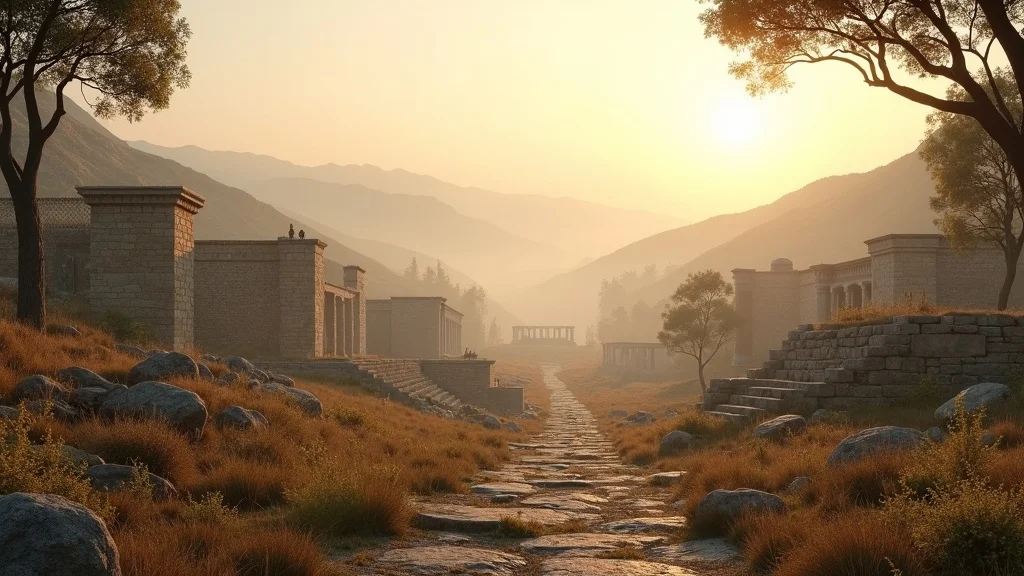
The city of Sardis loomed large in ancient Lydia, once a dazzling symbol of prosperity and political might. Renowned for its rich gold deposits and strategic location, Sardis was a melting pot of culture, commerce, and spirituality. Legends surrounded its rulers, especially King Croesus, long believed to be the wealthiest man of his era. Yet behind its golden image, the city held an undercurrent of vulnerability and decadence—a reputation echoed centuries later in the book of Revelation. Sardis's apparent invincibility was shattered by repeated surprises: earthquakes, invasions, and a gradual decline that left it a shadow of its former self. This dichotomy between wealth and spiritual lethargy would set the stage for the challenges confronting the church at Sardis. The city’s prideful history provides a striking backdrop for the warnings Jesus Christ delivered, challenging both ancient and modern-day believers to look beneath the surface of their communities and personal lives.
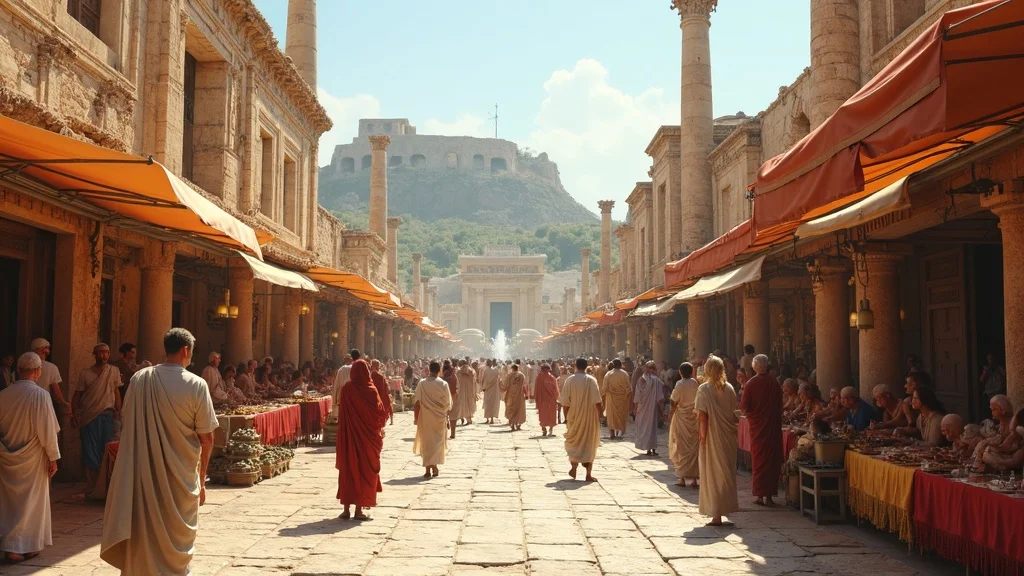
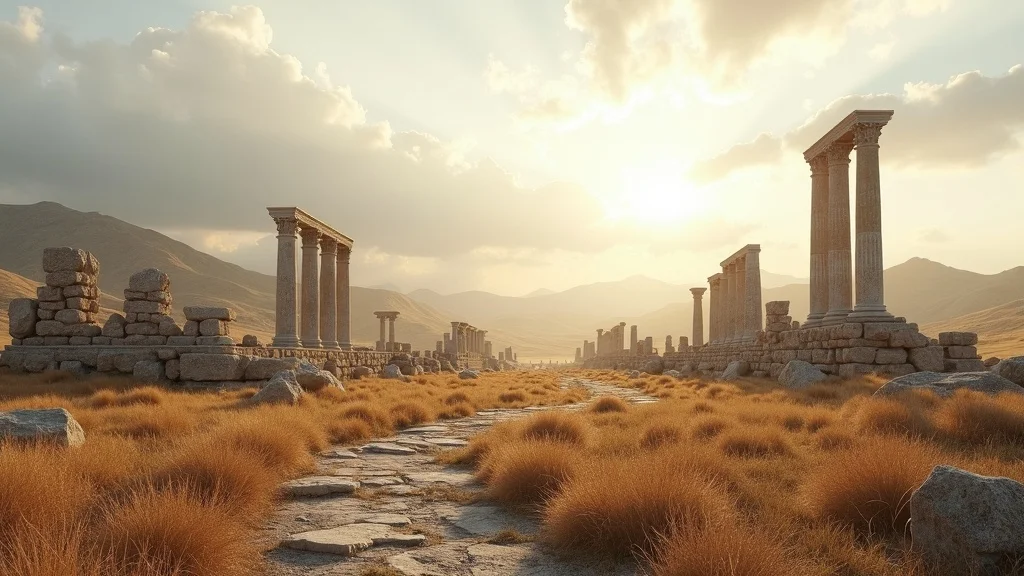
Archaeology confirms the city’s impressive legacy. The agora bustled with traders, while towering temples and grand public baths underlined Sardis's stature. Historical discoveries reveal a populace obsessed with appearances—gilded facades coexisting with spiritual emptiness. These secular realities parallel the church’s spiritual state, which receives a stern rebuke from the Son of God in Revelation. Just as Sardis’s acropolis was thought impregnable, the church’s reputation masked its true spiritual barrenness. Today, both scholars and visitors walk the ruins, pondering what remains of the ancient world and questioning—much like Christ’s challenge—if those remnants speak of genuine faith or merely echo a glory long since faded.
Comparative Timeline: The City of Sardis (Secular vs. Biblical Events) |
|
Secular History |
Biblical/Church History |
|---|---|
6th century BCE: Rule of King Croesus, era of wealth |
1st century CE: Establishment of the church at Sardis |
546 BCE: Persian conquest |
Late 1st century CE: Revelation’s letter to the church at Sardis |
17 CE: Devastating earthquake, city rebuilt with imperial aid |
Early Christian growth, faith “born of reputation” |
4th-7th century CE: Sardis as a Byzantine center, decline thereafter |
Legacy memorialized via biblical warning and debate |
The Church at Sardis: Foundation and Growth in Early Christianity
Founded as part of the early Christian movement, the church at Sardis emerged from the crossroads of Hellenistic and Roman influences. Initial followers gathered under the shadow of monumental temples, forming a community defined by the radical teachings of Jesus Christ and the empowering presence of the Holy Spirit. It grew quickly on the city's reputation as a safe haven, attracting both Jews and Gentiles who had heard and received the word of God. However, as the church gained prominence and respectability, the fervor of genuine faith began to fade. Within a generation, the letter to the church in the book of Revelation would reveal that while the church had “a reputation of being alive,” its spiritual works were far from complete in the sight of God.
The congregation in Sardis exemplified the struggle between outward reputation and inner transformation. Surrounded by material riches and social status, church members faced the temptation to substitute cultural acceptance for authentic discipleship. They had “received and heard” the true teachings about the Son of God, yet Jesus’s message suggested their “works were not found complete” before God. This foundational flaw continues to challenge Christians, serving as a somber reminder that the outward trappings of success are no substitute for spiritual vitality rooted in the Spirit of God. The early church’s story foreshadows the issues many faith communities face today: complacency, reputation without renewal, and a pressing need to “strengthen what remains. ”
This tension between outward appearance and inward transformation is not unique to Sardis; it echoes throughout Christian history and remains a central concern for believers today. For a deeper exploration of how spiritual renewal begins and the transformative role of the Holy Spirit, consider reading about sanctification that begins at regeneration, which unpacks how genuine change is initiated in the life of every Christian.
The Church at Sardis in the Book of Revelation: Warnings and Wisdom
The Letter to the Church at Sardis: Key Verses and Interpretive Challenges
In the book of Revelation, chapter 3, Jesus Christ addresses the church at Sardis in stark, unforgettable language: “You have a reputation of being alive, but you are dead. ” (Revelation 3:1). This letter is both unsettling and illuminating. On the surface, the church enjoyed a strong image in the broader Christian world, being well-known for its good works and community standing. However, the Son of Man’s divine evaluation exposed spiritual decay hidden beneath this veneer. The sharp rebuke about being “dead” highlights a core issue: an outward appearance of vitality masking inward stagnation.
Interpretive debates swirl around phrases like “clothed in white” and “book of life. ” Were these promises of eternal life only for a few, or a clarion call for revival within the whole congregation? Scholars note that the letter’s call to “strengthen what remains” is as much an invitation as it is a warning—urging believers to remember what they had received and heard, then repent and renew their spiritual life. The challenge is ongoing, as each generation must ask whether its faith and works are complete in the sight of God or merely an echo of past glory. The message to Sardis remains a touchstone for navigating spiritual apathy in a fast-paced, reputation-obsessed world.
"You have a reputation of being alive, but you are dead." (Revelation 3:1)
The Role of the Holy Spirit in the Church at Sardis’s Story
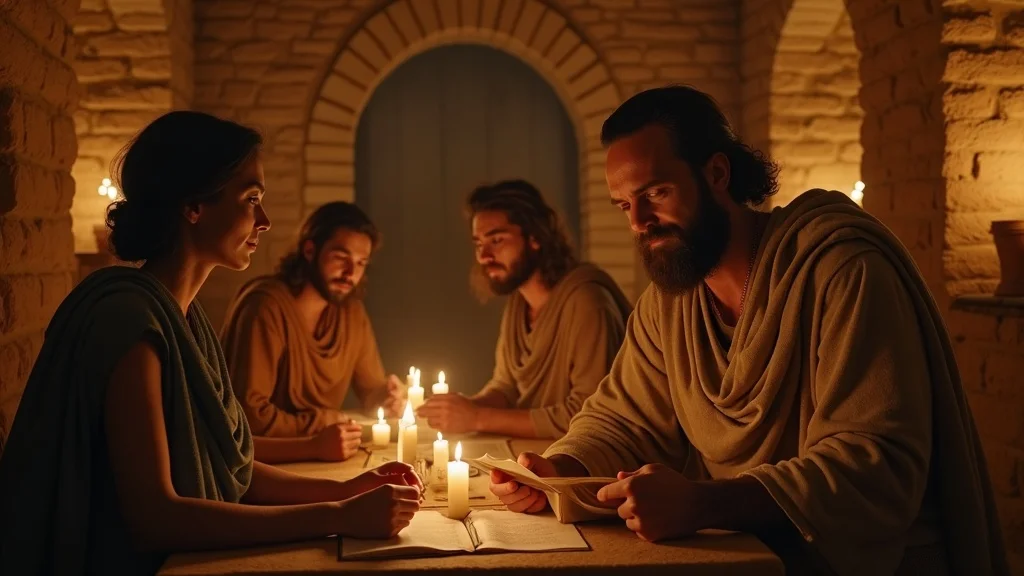
While the letter to the church at Sardis is often remembered for its stern rebuke, it is equally notable for its urgent emphasis on the Holy Spirit. This Spirit, depicted throughout Revelation as the life-giving force, is the power capable of rekindling genuine faith and spiritual vitality, both for ancient Sardis and for today’s believers. The text’s admonition—“strengthen what remains”—suggests that the church had not fully extinguished its divine spark. The presence of a faithful remnant who “have not soiled their garments” demonstrates the Spirit of God was still active, calling the congregation back to true repentance and faithfulness.
This passage challenges every reader to consider the voice and role of the Holy Spirit in their own community. Are we listening for the Spirit’s guidance or simply going through the motions to preserve our reputation? The contrast between spiritual deadness and revival in Sardis serves as a powerful reminder that good works, apart from real spiritual life, may never be found complete in the sight of God. Yet, the hope remains for all who repent, listen, and respond to the Spirit’s call: to walk “clothed in white” and have their names secure in the Book of Life.
Opinion: Why the Church at Sardis Still Matters Today
Spiritual Apathy in Modern Communities: Parallels with the Church of Sardis
It’s easy to read about the church at Sardis with a sense of historical distance, but the reality is deeply convicting: spiritual apathy and nominal Christianity persist in countless faith communities. Many churches today share the same outward vibrancy—robust programs, impressive reputations, and busy calendars—while wrestling with inward fatigue or a lack of the Holy Spirit’s leading. The parallels are uncomfortably clear: when reputation eclipses genuine faith, spiritual life runs the risk of drying up. This warning is especially relevant as modern churches navigate cultural expectations, social pressures, and the temptation to settle for “good works” without Spirit-led renewal.
The harsh evaluation of Sardis—“found your works incomplete”—serves as a check against complacency in the kingdom of God. Even as churches pursue growth and community service, the question remains: is there a living pulse of faith in Christ, or is everyone just “going through the motions”? The Spirit’s call to “strengthen what remains” reminds believers that genuine vitality is possible, even in the midst of decline. As Dr. Faith Carver insightfully notes,
"The echoes of Sardis call us to spiritual alertness in a world prone to complacency." – Dr. Faith Carver, Theological Review

Re-examining True Faithfulness: Lessons from the Church at Sardis
What does it mean to exhibit true faithfulness in an age obsessed with appearances? The church at Sardis helps us explore this question honestly. Jesus’s challenge to Sardis wasn’t a condemnation without hope but an invitation to rediscover authentic discipleship through the guidance of the Holy Spirit. In calling the faithful to be “clothed in white garments,” the message encourages a return to spiritual authenticity and daily renewal through genuine faith, not only in reputation but in action and heart.
Communities today can draw courage from the remnant in Sardis who chose to walk counter-culturally, remaining steadfast despite prevailing apathy. Their example urges modern believers to listen attentively to the Spirit of God, seek reform where needed, and never substitute outward religiosity for passionate commitment to the Son of God and His word. Ultimately, this is a call to wear white not just for show, but as a sign of transformed hearts aligned with God’s eternal purposes.
The City of Sardis: Archaeology, Ruins, and Religious Artifacts
Discoveries at the City of Sardis: Insights Into Early Worship
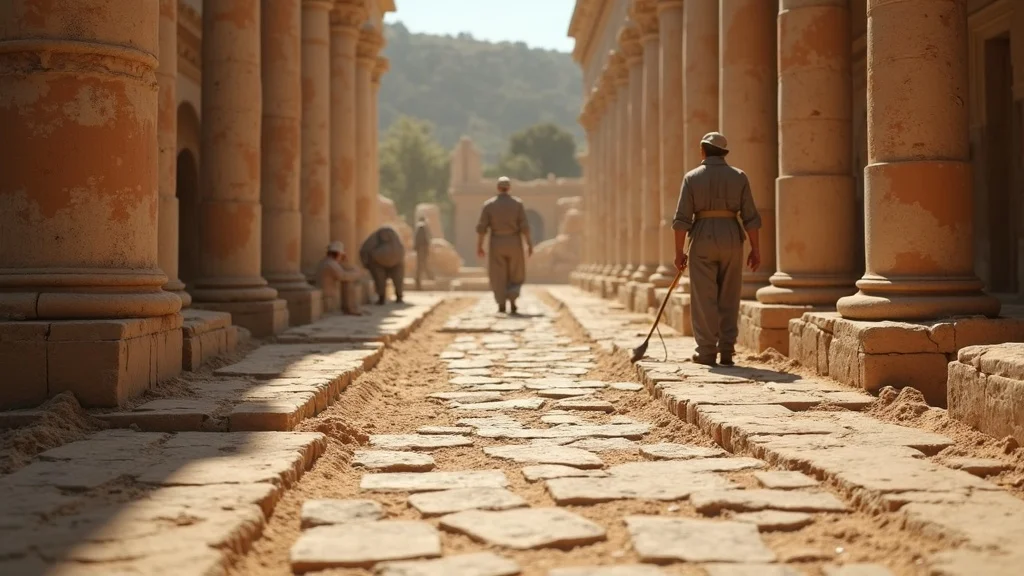
Recent archaeological excavations have unearthed remarkable insights into the religious life of ancient Sardis, revealing clues that help us understand the context of the church at Sardis. From mosaic-laden floors in ancient basilicas to intricately carved altar stones, these discoveries point to the rich interplay between Jewish, pagan, and Christian worship in the city. Relics bearing Christian iconography—fish symbols, early crosses, and remains of baptistries—mark Sardis as a crucial frontier in the spread of faith in Christ. These artifacts powerfully illustrate the tensions between tradition and transformation, echoing the biblical warning to “remember what you have received and heard. ”
The mosaic floors and other relics tell a story of worship communities grappling with their heritage and future. While grand temples and public buildings highlight Sardis’s material prosperity, the more modest, intimate spaces of Christian assembly underscore a faith both embattled and enduring. Each unearthed symbol is a reminder that the Holy Spirit was quietly at work in faithful hearts, drawing people toward repentance, renewal, and the promise of the eternal life depicted in the book of life.
Art, Architecture, and the Legacy of the Church of Sardis
Beyond its artifacts, the enduring legacy of the church at Sardis is etched into the city’s architecture. The remains of early basilicas and house churches stand in stark contrast to the city’s once-glorious pagan temples. This layered history reflects the ongoing dialogue between cultural adaptation and spiritual distinctiveness. While some monuments silently testify to a lost era, the church’s modest relics assert a more enduring story: the slow, often unseen transformation wrought by the Holy Spirit and genuine faith in Christ.
Artistic fragments from Sardis—mosaics, frescoes, and marble carvings—continue to inspire both scholars and pilgrims. These works invite reflection on the tension between dead tradition and living faith. The simple, honest expressions of Christian hope remind us that, while the city sought stability in stone and reputation, it is the persistent work of the Spirit of God that ensures a legacy truly “complete in the sight” of the Kingdom of God, long after the grandeur of empires fades.
The Holy Spirit and the Church at Sardis: A Theological Deep Dive
Defining the Work of the Holy Spirit in the Letters to the Churches
Across all the churches in Revelation, but especially in the church at Sardis, the Holy Spirit is presented as the essential and renewing force. The Spirit’s work is to convict, guide, and empower believers for true spiritual life. In Sardis’s case, where faith was reduced to lifeless ritual, the Spirit’s call to “strengthen what remains” points directly to the transformative power available to all who genuinely seek revival. This Spirit—often portrayed as the seven spirits of God—encourages the “few who have not soiled their garments” to persist and promises that the faithful will “walk with me in white. ”
This theological framework teaches that genuine faith and much-needed reform cannot be manufactured by human effort alone but must emerge out of repentance, humility, and openness to the Spirit’s prompting. The letter to the church affirms that the Spirit of God always offers hope, keeping alive the promise that names will not be blotted from the book of life and that white garments await those who overcome through faith in Christ.

Contrasting the Church at Sardis with Other Revelation Churches
In the landscape of Revelation’s “seven churches,” Sardis stands out as the most sharply rebuked for spiritual lethargy—and yet, not for public sin or false teaching, but for lifelessness behind a stellar reputation. Other churches, like Ephesus or Philadelphia, receive mixed feedback or encouragement, but Sardis’s issue is unique: it is called “dead” despite a name for being alive.
This contrast sharpens the relevance of Sardis’s message. It warns all churches—regardless of how impressive their history or activities—that without the sustaining presence of the Spirit of God, good works alone will not suffice. The recurring themes—white garments, names in the book of life, and the challenge to walk faithfully—bind the letters together as one urgent call to spiritual authenticity.
A Comparison Chart: The Seven Churches of Revelation |
|||
Church |
Commendation |
Criticism |
Promise to Overcomers |
|---|---|---|---|
Ephesus |
Labor, perseverance |
Lost first love |
Eat from the tree of life |
Smyrna |
Faithfulness amid suffering |
None |
Crown of life |
Pergamum |
Held to faith |
Compromise with idolatry |
Hidden manna, white stone |
Thyatira |
Growth in good works |
Tolerated false prophetess |
Authority over nations |
Sardis |
Name of being alive |
Spiritually dead, incomplete works |
Clothed in white, name in the book of life |
Philadelphia |
Kept the word, patient endurance |
None |
Pillar in God’s temple |
Laodicea |
None |
Lukewarm, self-sufficient |
Sit with Christ on His throne |
Contemporary Perspectives on the Church at Sardis: Debates and Dialogues
Modern Interpretations: Living Churches vs. Dead Churches
Today’s believers frequently wrestle with the diagnosis given to the church at Sardis: What makes a “living” church, and when do spiritual practices devolve into dead ritual? Many theologians contrast Sardis’s predicament with churches vigorously alive in the Holy Spirit—where hearts burn with faith in Christ and communities overflow with grace and transformation. The dead church, by contrast, is characterized by routine, reputation, and resistance to spiritual reform, echoing Sardis’s legacy.
This dialogue has become central in contemporary church renewal movements. Pastors, scholars, and laypeople explore how to foster spiritual life that’s both deep and durable. Genuine faith, rooted in an ongoing relationship with the Son of God, is the antidote to the spiritual lethargy that plagued Sardis. The call is clear: align reputation with spiritual reality, allowing the Spirit of God to breathe new life into tired institutions and individual hearts alike.
Critical Responses: Do We Judge Sardis Too Harshly?
A growing chorus of scholars invites us to reconsider the legacy of the church at Sardis. Is the community’s reputation as “dead” justified, or might we be missing a more nuanced lesson? Some argue that the condemnation was not absolute but rather an impassioned plea—an invitation to recognize both the danger of complacency and the ever-present hope for revival. Others point out that a faithful remnant did exist in Sardis, underscoring God’s mercy and ongoing willingness to restore even the most weary communities.
These dialogues remind us to approach Sardis’s example with both humility and hope. The church at Sardis may have been flawed, but it was not beyond redemption. Jesus’s challenge to strengthen what remains is a universal call: to reawaken the Spirit’s work in our midst and to pursue a faith that is truly alive and “complete in the sight” of God.
Lists: Signs of a Sardis-Type Church Today
Emphasis on outward reputation over genuine spiritual vitality
Complacency in mission and service
Neglecting the voice of the Holy Spirit
Resistance to spiritual reform
What Can We Do Differently? Personal Reflections Inspired by the Church at Sardis
Reigniting Spiritual Life Through the Holy Spirit
If the story of the church at Sardis is a warning, it’s also an invitation to renewal. Genuine spiritual life is never an accident—it’s the outcome of surrendering daily to the Holy Spirit. This means setting aside mere reputation and striving for a faith marked by obedience, humility, and a willingness to listen for the Spirit’s promptings. Communities that follow this path discover that, while the temptation to settle for nominal Christianity remains strong, there is always hope: revival is possible, even in the driest places.
The courage to “strengthen what remains” starts with honest self-examination. Believers are called to awaken, remember the word of God they have received and heard, and let those truths rekindle authentic devotion. As individuals and as churches, we have the opportunity to be “clothed in white”—not because our works are perfect, but because our hearts are open to the Spirit of God, always ready to reform, restore, and renew our commitment to the kingdom of God.

Practical Steps for Modern Believers
Practically, believers seeking to avoid the pitfalls of the church at Sardis can begin by cultivating attentiveness to the Holy Spirit through prayer, worship, and honest fellowship. Churches can encourage deeper study of the Word of God, prioritize heart transformation over outward conformity, and make space for spiritual gifts and voices from all backgrounds. Serving the community not out of obligation, but from Spirit-led compassion, can reignite genuine faithfulness.
Personal reflection and community accountability help believers “strengthen what remains,” while regular self-examination ensures spiritual life stays vibrant. By pursuing relationships with Christ and one another—motivated by love, not just duty—we keep our names “written in the book of life” and demonstrate that true good works originate from a living, breathing partnership with the Son of God. In short, we become communities “alive” in every sense the book of Revelation intended.
People Also Ask: Answers to Trending Questions Related to the Church at Sardis
How soon after death do you go to heaven?
Christian teachings on the afterlife: Immediate entrance vs. soul sleep, and relevance to the book of Revelation.
Among Christians, there is debate over what happens immediately after death. Some believe in the doctrine of “immediate presence,” meaning the soul of a believer enters heaven right away, as suggested by Jesus’s words to the thief on the cross. Others hold to “soul sleep,” the idea that souls rest in a state of unconsciousness until the final resurrection. In Revelation, the focus is not so much on the timeline but on being written in the book of life—a sign of secure eternal life with Christ. The core message: readiness and spiritual vitality (like that called for in Sardis) matters most.
What does 444 mean to Jesus?
Examining biblical numerology, the symbolic meaning of numbers, and their significance in prophecy and spirituality.
In biblical numerology, numbers often carry symbolic meanings, but “444” does not specifically appear in Scripture as a number associated with Jesus. Some see “444” as representing God’s creative works or times of change, but interpretations vary and are not universally accepted in traditional doctrine. The message to Sardis reminds us to seek actual transformation, not merely signs or numbers. Ultimately, numerology is secondary; spiritual awakening, genuine faith, and walking with the Holy Spirit define the teachings of Jesus far more than any hidden numerical code.

What is the most openly mocked religion?
Exploring the perception and social treatment of various faiths, with context to early Christianity and the church at Sardis.
Throughout history, many religions have faced public mockery, including Christianity, especially in its early days. The church at Sardis grew in a context where faith in Christ was often scoffed at by both ruling authorities and the broader culture. Today, perceptions fluctuate depending on context and location, but experiencing opposition or ridicule has always been part of the Christian journey—from the days of Sardis to present challenges faced by believers worldwide. The key, as Sardis’s experience shows, is perseverance and steadfastness, not public approval.
What were Arabs called in biblical times?
Brief history of regional names and references in the Bible, and influence on the church of Sardis’s context.
In biblical times, people known as Arabs were often referred to as “Arabs” or “Ishmaelites” in Old Testament texts. These groups occupied regions neighboring Sardis and played a role in the broader cultural exchanges of the Near East. The diversity of peoples—Lydians, Persians, Greeks, Jews, Arabs, and emerging Christians—made Sardis a complex and often challenging place for the fledgling church at Sardis. Understanding this context enriches our reading of the church’s struggles and Jesus’s call to cross-cultural and spiritual boundaries in pursuit of genuine faith.
Explore the agora, temple remains, and early church foundations as the city’s biblical context is narrated in this immersive virtual tour.
FAQs: The Church at Sardis – Your Questions Answered
Where was the church at Sardis located? – The church was located in the ancient city of Sardis, in what is now modern-day Turkey.
Why was the church in Sardis criticized in Revelation? – Sardis was rebuked for having a reputation of being alive, while spiritually it was “dead”—its works were incomplete in God’s sight.
What can believers learn from the church at Sardis? – Sardis warns against complacency, highlighting the vital importance of genuine spiritual renewal over outward reputation.
Are there still traces of the church at Sardis today? – Yes, archaeological discoveries have unearthed early Christian basilicas, mosaics, and relics within the ancient city’s ruins.
How does the Holy Spirit feature in Sardis’s narrative? – The Holy Spirit is central, offering hope and the possibility for revival, renewal, and true transformation to all who heed the letter’s call.
Key Takeaways: What the Church at Sardis Teaches Us
The church at Sardis illustrates the dangers of relying on reputation over true spiritual health.
Historical and biblical insights combine to show the recurring patterns in religious communities.
-
Modern believers have much to gain in recognizing and escaping spiritual stagnation.
If you’re inspired to go beyond the story of Sardis and explore how the Holy Spirit continues to shape vibrant Christian communities, you may find it valuable to reflect on the broader role of spiritual gifts and discernment in the life of the church. Our in-depth article on understanding the role of prophecy in the Christian life offers practical wisdom for cultivating spiritual alertness and embracing the fullness of God’s guidance. Let this be your next step toward a faith that is not only alive in reputation but truly empowered by the Spirit for every season of your journey.
Join the Conversation: Attend Our Online Bible Study on the Church at Sardis
Uncover deeper meaning, ask your own questions, and participate in live discussions—attend our online Bible study and experience the enduring wisdom of the church at Sardis in community. Let’s reclaim genuine faith together!


Write A Comment