
Did you know that less than 20% of Christians regularly examine their faith practices, seeking genuine renewal? This haunting reality echoes the ancient warning given to the church of Sardis—one that continues to challenge churches today. In this article, we’ll explore the profound connections between Sardis, the Reformation, and the urgent need for real spiritual vitality in the modern church. Prepare to confront the difference between outward reputation and inward reality—because history’s warnings ring truer than ever.
A Startling Comparison: Sardis, the Reformation, and Modern Spiritual Decline
History isn’t just a distant echo—it’s a mirror. When Jesus addressed the church of Sardis in the book of Revelation, He highlighted a piercing contrast: “You have a reputation of being alive, but you are dead. ” This startling rebuke is not just a message to a long-gone congregation; it’s a wake-up call for every established church fighting spiritual stagnation today. The parallels between Sardis and the spiritual complacency that set in before the Reformation are undeniable. Sardis looked vibrant on the outside, boasting activity and tradition, yet within, spiritual life was faltering. Just as the Reformation called churches back to heartfelt faith and ongoing reform, the lesson is clear: spiritual decline often sets in quietly, cloaked in activity and reputation.
Today’s faith communities, much like Sardis, face similar temptations—relying on their name, their works, or their traditions while neglecting the living heartbeat of the Holy Spirit and the ongoing power of the Word of God. The warnings given in Revelation apply just as much now as they did then. Only by continuously examining our hearts, our practices, and our communal identity can we avoid the fate of being mere shells of faith—alive in name, but dead in substance.
"You have a reputation of being alive, but you are dead." – Revelation 3:1 (Addressing the Church of Sardis)
What You'll Learn in Exploring Sardis and the Reformation
Understand the historical context of Sardis in the time of the Reformation
Identify key spiritual lessons for today’s believers
Examine the relevance of the Church of Sardis for modern faith communities
Draw connections between biblical warnings and church history
Unveiling Sardis: Origins, Location, and Historical Importance
Sardis, once the dazzling capital of ancient Lydia, was renowned for its wealth and proud history—even as its spiritual significance waxed and waned. Situated in western Anatolia, Sardis became a hub of commerce, culture, and eventually early Christian witness. By the time John penned Revelation’s letter to Sardis, the city’s glory was fading, paralleling the church’s own internal decline.
Understanding what “Sardis means” underscores why the church in Sardis was chosen as a symbol of spiritual slumber. While outwardly secure and distinguished in faith, the community risked losing its place in the book of life due to a lack of authentic transformation—a warning just as relevant for any established church today as it was during the Reformation, when leaders like Martin Luther urged believers to wake up and “strengthen the things which remain. ”
What Is Sardis Called Today?
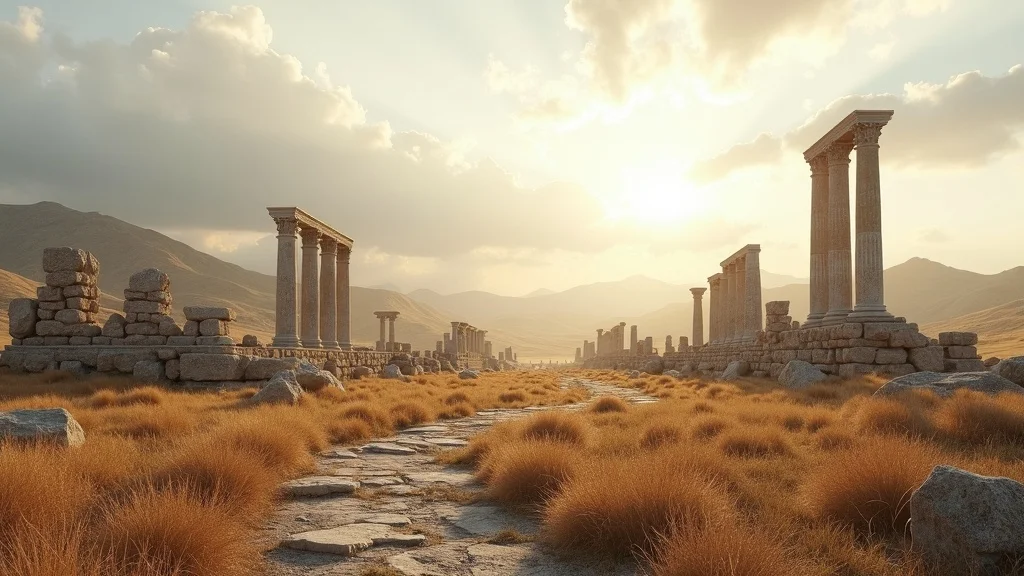
Today, fragments of ancient Sardis lie near the modern Turkish village of Sart. Although time has eroded its grandeur, its legacy as a cautionary tale for faith communities endures. Modern “Sart” carries the echoes of spiritual triumph and tragedy—serving as both a literal and figurative crossroads in Christian memory. This enduring site invites believers to reflect: Are we honoring our spiritual heritage, or simply lingering in its ruins?
Ancient Sardis vs. Modern Sardis: Names, Location, and Significance |
||
Aspect |
Ancient Sardis |
Modern Sardis (Sart) |
|---|---|---|
Name |
Sardis |
Sart |
Location |
Lydia (Western Anatolia, Turkey) |
Near Salihli, Manisa Province, Turkey |
Historical Significance |
Capital of Lydia; referenced in Revelation |
Site of archaeological ruins and Christian pilgrimage |
The Church of Sardis in Revelation: Warning and Wake-up Call
The letter to Sardis in Revelation 3 doesn’t mince words—the church had a name for life but was spiritually withering. Despite their commendable reputation, Jesus’ assessment was grave: “I have not found thy works perfect before God. ” The angel of the church in Sardis was urged to hold fast, “strengthen the things which remain, that are ready to die. ” This language powerfully captured the danger of a church living off its past without ongoing dependence on the Holy Spirit.
The church of Sardis serves as a prototype of religious communities that outwardly possess vitality—yet are hollow inside. The phrase, “thou has a name…thou livest, and art dead,” remains an enduring admonition against the hazards of spiritual complacency and dead orthodoxy. Whether in Sardis, the Reformation-era church, or our congregations today, the message is timeless: External forms mean little without inner reality.
The Reputation vs. Reality of the Church of Sardis
Reputation, without the sustaining breath of spiritual life, is like art dead and displayed in a mausoleum—beautiful, but lifeless. The church in Sardis was challenged to recall what it had received and heard, and to hold fast to the true faith. Christ’s warning that He would come as a thief in the night was not mere hyperbole; it was a call to watchfulness, lest spiritual death overtake them unawares.
"A dead orthodoxy is less than worthless." – RC Sproul
Yet, hope was not lost. Even among the spiritually complacent, there were a few “names even in Sardis” who had “not defiled their garments”—those who would walk with Christ clothed in white, signifying redeemed spiritual life. The contrast between hollow reputation and authentic faith is a recurring lesson that keeps pressing on the conscience of the church.
The Reformation: Spiritual Revival Amid Stagnation
The Reformation erupted out of a similar context—a church rich in external forms and tradition but lacking in the genuine vitality brought by the Holy Spirit and God’s Word. Reformers like Luther and Calvin witnessed communities that appeared robust in ritual and ceremony, but were ready to die spiritually through neglect, legalism, and lack of biblical engagement. Their rallying cry for eternal life rooted in repentance and true faith set a precedent for ongoing renewal amid religious decline.
The spiritual malaise of the pre-Reformation church mirrors the criticism leveled at Sardis—a church with the trappings of faith but “thou livest, and art dead. ” The Reformation’s greatest legacy isn’t merely doctrinal change; it’s the restoration of spiritual life and the insistence that every generation must “hear what the Spirit says to the churches. ” Only by constantly being reformed by Scripture and the Spirit can a church avoid becoming art dead, trading white garment for hollow religiosity.
For a deeper look at how churches can recognize and address spiritual complacency in practical terms, explore the insights shared on the Anselm Bible Church Blog, where topics like church renewal and authentic faith are discussed in the context of today’s challenges.
Why Did the Reformation Matter for Churches Like Sardis?
Loss of spiritual vitality
Need for ongoing reform
Danger of relying on reputation over reality
The lesson is pointed: As with Sardis, so with all churches—tradition and name alone do not guarantee spiritual health. Only ongoing humility, a return to the Word of God, and openness to reformation safeguard against decline.
Sardis, the Reformation, and the Call for Authentic Faith
Authentic faith is never a static achievement; it requires constant vigilance and self-examination. Both Sardis in the first century and the church prior to the Reformation became complacent—trusting in history, rituals, and community reputation instead of the active work of the Spirit. The biblical warning is for every congregation: Do not rest in what has been received and heard; instead, let the word of God and the Holy Spirit continuously renew your passion and belief.
The principle of “Semper Reformanda”—always reforming—reminds churches and believers that no level of spiritual achievement is ever final. The challenge remains: “Strengthen the things which remain, that are ready to die. ” Are we, as individuals and communities, settling for comfort and recognition, or pursuing a faith alive and responsive to the Spirit’s leading?
Lessons from Sardis for the 21st-Century Church
"Semper Reformanda – the church reformed and always reforming."
One crucial lesson is that spiritual renewal requires both returning to foundational truths and an ongoing openness to reform. In our time, the risk of becoming an established church devoid of spiritual life is real, especially when comfort, tradition, or popularity crowd out repentance, holiness, and the living presence of Christ. Sardis’s warning is not just for the past; it is a present-tense necessity.
The call for constant reform is not a call to reject everything old but to ensure that orthodoxy never becomes a pretext for resting on one’s laurels. Only churches that are continually listening—who hear what the Spirit says—will thrive, remain “clothed in white,” and have their names confessed before the Father in the book of life.
People Also Ask: Addressing Common Questions About Sardis and the Reformation
What is Sardis called today?
The ancient city of Sardis is now referred to as Sart in modern Turkey. Located near Salihli in Manisa Province, Sart is a notable archaeological site and a point of interest for both historians and Christian pilgrims. Despite the passage of time, the ruins of Sardis continue to offer valuable insights into early Christian history, reminding visitors of the legacy and warnings embedded in the book of Revelation.

Which religion does Trump belong to?
Donald Trump identifies as a Presbyterian, a mainline Protestant Christian denomination. His religious background and public statements frequently align with Protestant Christian perspectives, though his level of engagement with specific church traditions remains subject to public interpretation and discussion. Like Sardis, questions of reputation versus genuine spiritual life are not limited to ancient history—they remain relevant for current figures and faith communities.
What is the most openly mocked religion?
Religions such as Christianity, Islam, and Scientology have often been subjects of public mockery or misunderstanding in various cultures, especially in media and entertainment. Historically, Christianity has both endured and responded to such challenges, echoing Sardis’s struggle for authentic faith amid external pressures and cultural decline. The Reformation itself was born in part as a response to ridicule and decline from both within and outside the church.
What were Arabs called in biblical times?
In biblical times, Arabs were often referred to as Ishmaelites or descendants of Ishmael, and also sometimes described as people from Arabia. They are mentioned in prophetic and historical texts as part of the wider Near Eastern and Middle Eastern landscape. These ancient designations remind us of the diverse peoples and faiths that influenced and intersected with early church history in places like Sardis.
Connecting Sardis, the Reformation, and Church Identity Today
When we consider Sardis and the Reformation, the question looms: How does the church maintain its identity in a rapidly changing world? Authentic church identity is forged not in reputation, but in persistent renewal and reform. The comparison to Sardis is sobering—today’s church must resist the urge to settle for simply being recognized as “alive,” when true life is measured by the ongoing work of the Holy Spirit within.
Biblical warnings become practical realities when we examine our communities for signs of spiritual sleep—prioritizing tradition over transformation, or comfort over calling. The spiritual lessons of Sardis are not mere history; they are urgent guides for faithfulness and resilience in the 21st-century church.
Do We Mirror Sardis? Signs of Spiritual Sleep in Contemporary Christianity
Superficial worship practices
Neglect of personal holiness
Overemphasis on traditions vs. transformation

The call is to hold fast and avoid trusting in rituals, history, or mere appearance—lest our lampstand be removed, and our faith found wanting before God.
Key Figures Who Challenged Spiritual Complacency: From Sardis to Reformers
The story of spiritual renewal is one of courageous individuals challenging the status quo—from the few in Sardis who had “not defiled their garments,” to great reformers like Martin Luther, whose boldness confronted dead religion head-on. These figures chose to risk comfort for the sake of truth, often standing alone against waves of tradition and opposition.
In every age, there are those who refuse to rest on what has been received and heard. Their lives are marked not by perfect reputation, but by genuine repentance and a desire to restore the church to its calling. The church’s vitality is ultimately measured by such reformers, who embody the spirit of “always reforming. ”
Martin Luther and the Danger of Dead Religion
"Here I stand; I can do no other." – Martin Luther
Martin Luther famously confronted the art dead faith of his era, calling the church to return to the word of God and reject empty ritualism. His courage exemplifies the kind of faithfulness needed to “strengthen the things which remain,” refusing to let the church rest in a past glory disconnected from present obedience. Luther’s example challenges every believer and congregation to examine themselves—is our spiritual life vibrant, or have we become like Sardis?

Just as Sardis was warned, so every Christian must heed the Spirit’s call: Repent, listen, and reform. Only in doing so will we stand, clothed in white, with our names written in the book of life.
Watch this short documentary: Journey through the haunting ruins of ancient Sardis, witness the energetic debates of early reformers, and find inspiration in the authentic renewal taking place among modern believers and congregations. Trace the ongoing need for genuine spiritual awakening and remember—the call to reform is for every generation.
Short documentary: Tracing Sardis to the Reformation and today’s church, highlighting renewal and authentic faith. Visuals of ruins, Protestant churches, and modern congregations.
Comparing Church of Sardis Warnings With Reformation Missives
Comparison of Christ’s Letters to Sardis and Reformation Directives |
||
Theme |
Letter to Sardis (Revelation 3) |
Reformation Directives |
|---|---|---|
Spiritual Diagnosis |
Alive in name, dead in reality; need to strengthen what remains |
Churches seen as corrupt and needing spiritual renewal |
Solution Offered |
Remember, repent, and hold fast; return to what was received and heard |
Sola Scriptura (Scripture alone); call for repentance and true doctrine |
Warning |
“I will come as a thief” unless repentance occurs |
Danger of continued error and lost spiritual vitality |
Promise |
Clothed in white; name in the book of life; confessed before the Father |
Eternal life by grace through faith; ongoing reform of church practices |
FAQ: Sardis, the Reformation, and Persistent Questions
Why is Sardis significant in Christian history?
Sardis serves as a sobering example of a once-vibrant church becoming spiritually complacent. Its inclusion in Revelation reminds Christians that outward success without inward spiritual life leads to decline and loss of witness.How did the Reformation address issues spotted in Sardis?
The Reformation directly confronted spiritual lethargy by calling believers back to the Word of God and authentic dependence on the Holy Spirit. Like the message to Sardis, reformers preached repentance, renewal, and continual self-examination.Are there modern examples of a 'Sardis-like' church?
Yes, any church valuing tradition and appearance over transformation and humility risks becoming “alive in name, but dead” inside. Sardis’s story is a challenge for every faith community today to prioritize spiritual life over mere reputation.
Theological Reflections: The Spirit’s Role in Reviving ‘Dead’ Churches
What keeps a church’s spiritual flame burning? Not programs, not history, not even sound doctrine alone—but the Holy Spirit bringing about genuine repentance and renewal. The Spirit “strengthens the things which remain” and awakens what is ready to die. Revival, as the history of Sardis and the Reformation attest, begins when God’s people humble themselves, confess their need, and seek fresh filling of spiritual power.
The word of God, wielded by the Spirit, brings about true transformation. Renewal comes when churches and individuals alike admit spiritual poverty and hunger for the living Christ. Only then will our “works be perfect before God,” standing among those clothed in white robes, our names secure in the book of life.
Sardis, the Reformation, and the Power of Genuine Repentance
"Revival begins not with programs, but with repentance." – Paraphrase, RC Sproul
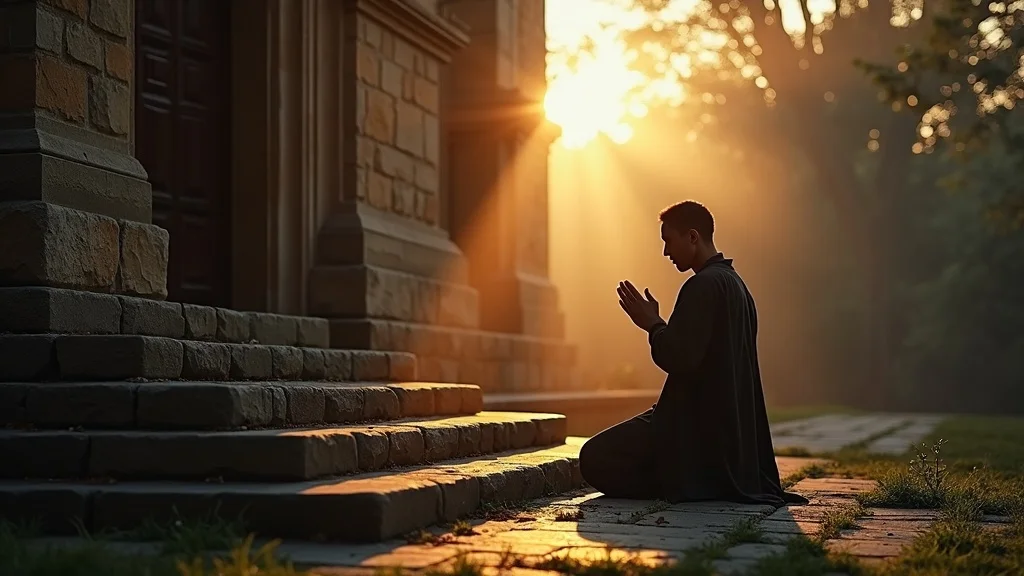
Let us never underestimate the power of humility and prayerful repentance. Personal and corporate transformation begins at the altar, not in activity alone.
Key Takeaways from Sardis and the Reformation
Christian institutions must avoid spiritual complacency
Ongoing self-examination aligns with biblical commands
Historical warnings serve present needs

Practical Steps: Avoiding the Pitfalls of Sardis in Modern Church Life
Cultivate authentic spiritual disciplines
Re-examine traditions in the light of Scripture
Foster an environment of humility and reform

Intentional growth and readiness to change keep the church’s spiritual legacy vibrant, not art dead.
See practical applications and testimonies of renewal among believers today.
Video presentation: Exploring how Sardis and Reformation principles inspire modern church renewal.
Summary: Sardis, the Reformation, and the Call for Vigilant Faith
The warnings and awakenings found in Sardis and the Reformation are not relics—they are roadmaps for vibrant, vigilant faith today. Let us heed them, reform, and walk forward in the power and presence of the living Christ.
If this exploration of Sardis and the Reformation has sparked your curiosity about how churches can thrive in the face of modern challenges, consider delving further into the broader themes of church renewal and spiritual resilience. The Anselm Bible Church Blog offers a wealth of articles that unpack not only historical lessons but also strategic approaches for cultivating lasting faith in today’s world. Discover advanced perspectives on spiritual leadership, community transformation, and the ongoing journey of reform—because the pursuit of authentic faith is a lifelong adventure, and every step forward matters.
Continue Your Journey: Learn With Us At ABC
Longing for genuine spiritual renewal? Attend Our Online Bible Study and continue exploring how the lessons of history can shape your faith today.
Sources
Ligonier Ministries – https://www.ligonier.org/learn/devotionals/sardis-revelation-31-6
Got Questions – https://www.gotquestions.org/church-of-Sardis.html
The article “Sardis and the Reformation: Lessons for Today’s Church” explores the parallels between the ancient Church of Sardis and the Reformation, emphasizing the need for spiritual authenticity and renewal in modern congregations. To deepen your understanding of these themes, consider the following resources: “Sardis—Foreview of the Reformation | Revelation Chapter 3 - Lesson 51” This video lecture examines the Church of Sardis as depicted in Revelation 3, drawing connections to the Protestant Reformation and discussing the challenges of maintaining genuine faith amidst external appearances. “Justification by Faith” This article delves into the concept of justification by faith, a cornerstone of Reformation theology, and its relevance to the spiritual lessons derived from the Church of Sardis. If you’re committed to exploring the historical and theological insights that can inform today’s church practices, these resources offer valuable perspectives.


Write A Comment